Sobbe Conservancy

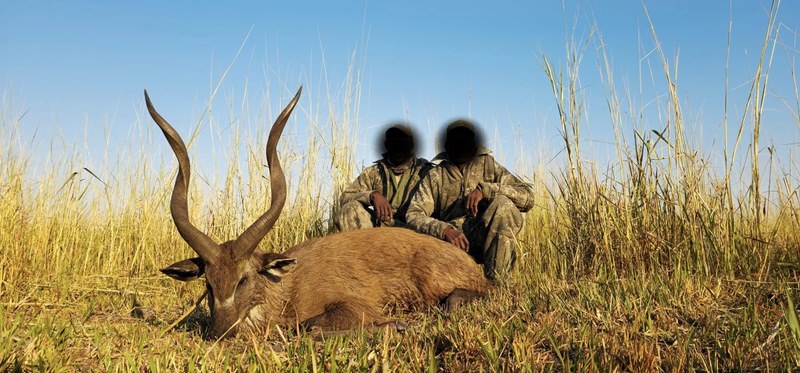
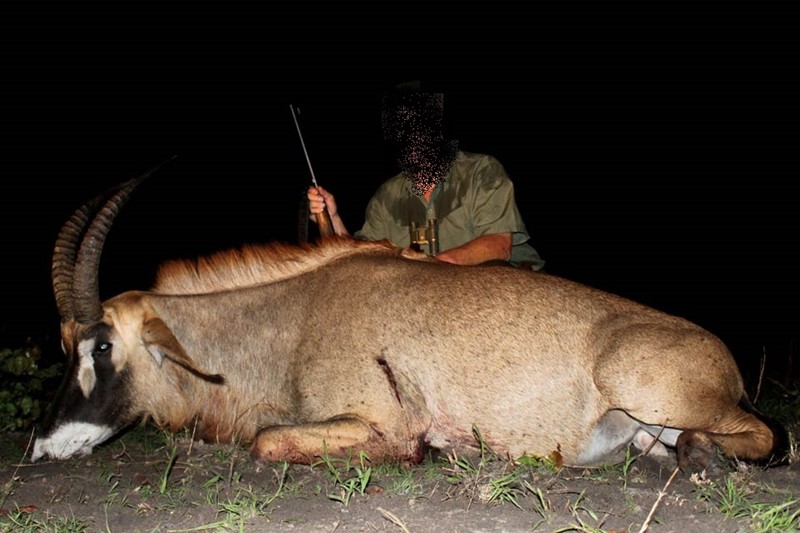
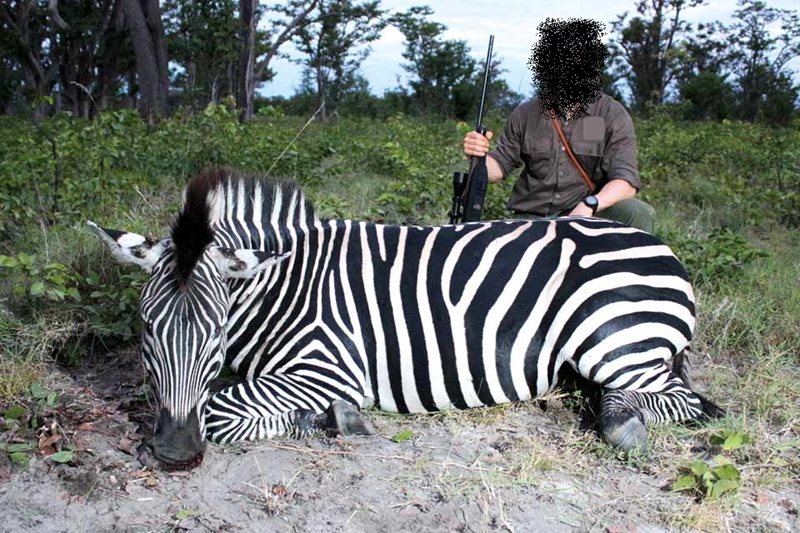
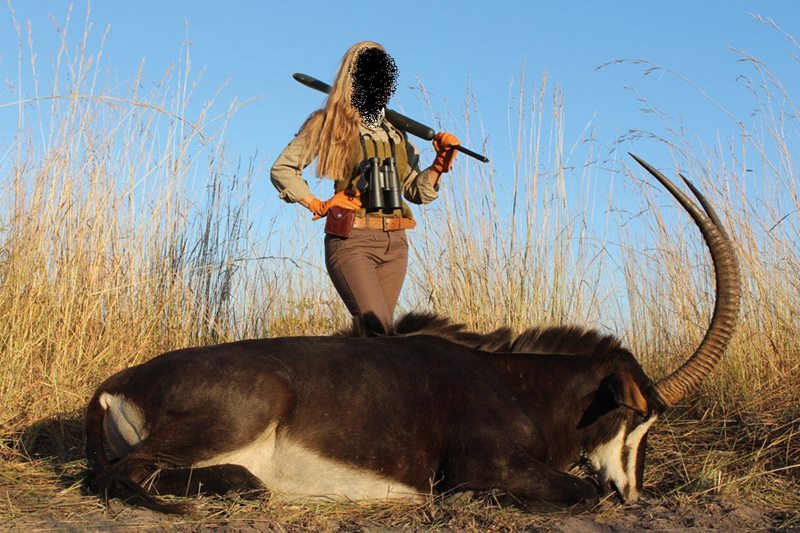
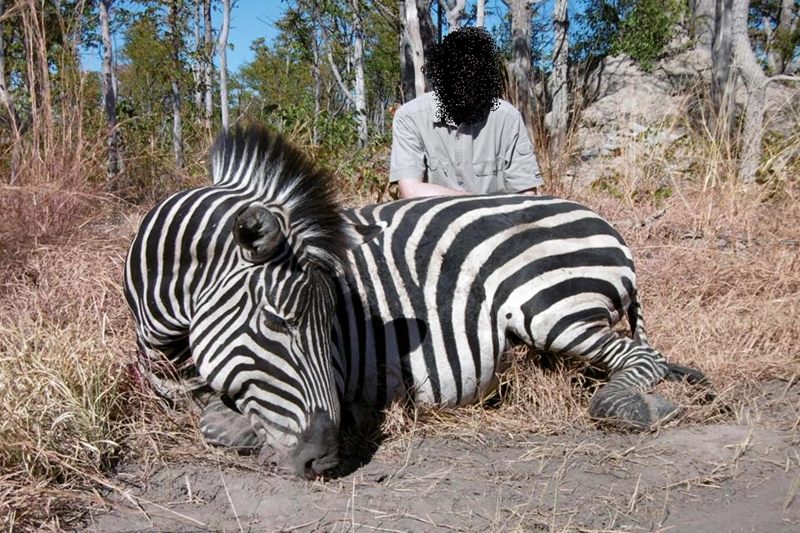
Sobbe Conservancy consists mostly of Mopane woodlands, with a belt of Camel thorn and cluster-leafed Terminalia running through it. It is a dry area, and thus should be hunted in the wetter months for elephant and buffalo. It holds good numbers of plains game species like roan, sable, zebra, kudu and eland.

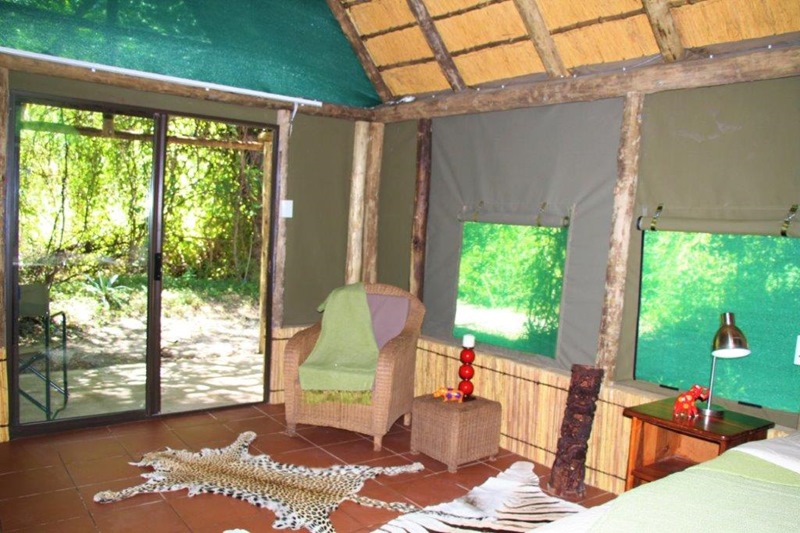
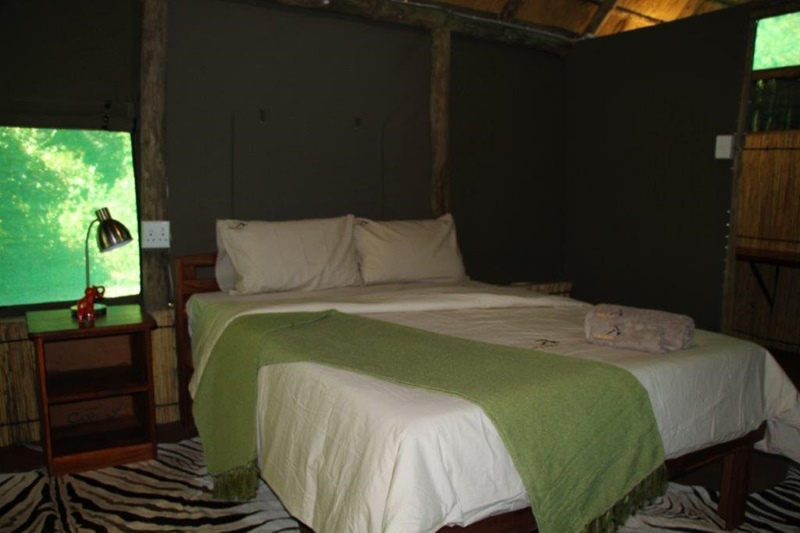
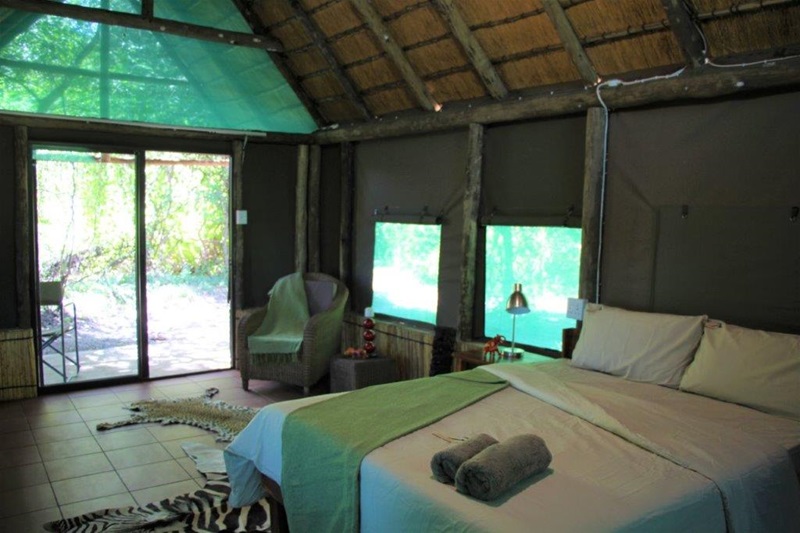
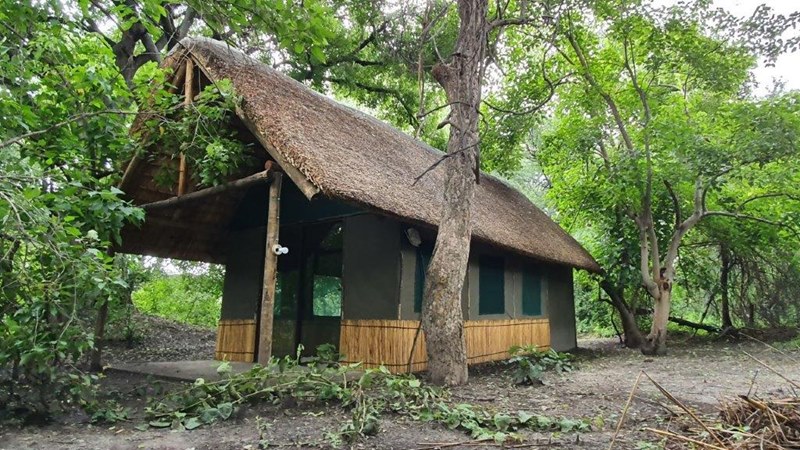
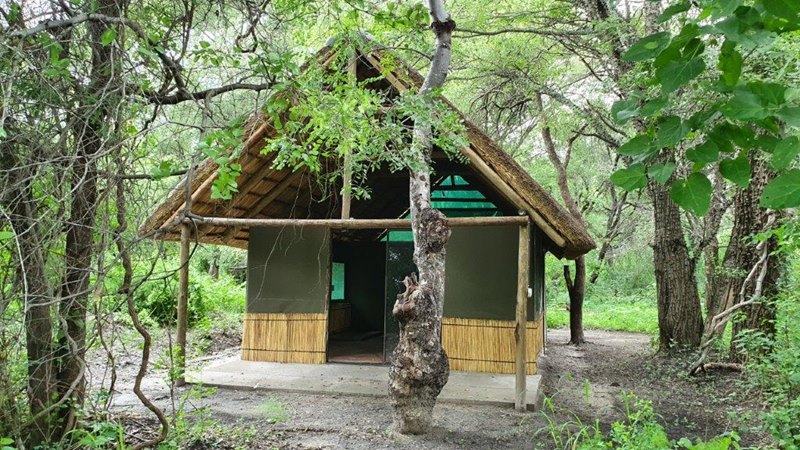
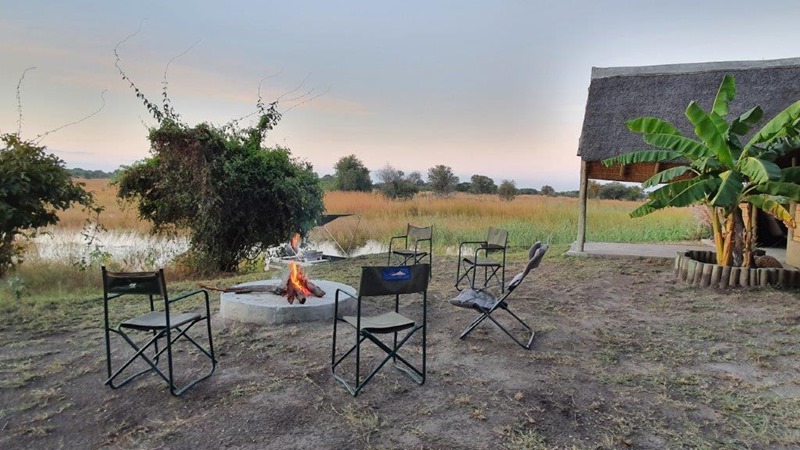
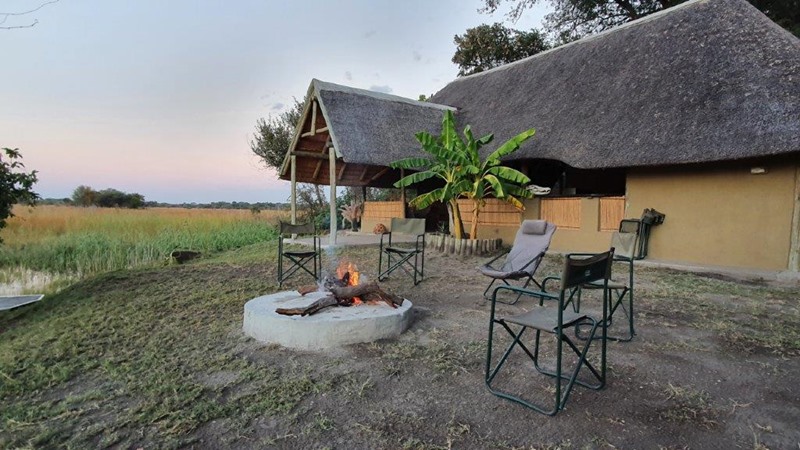
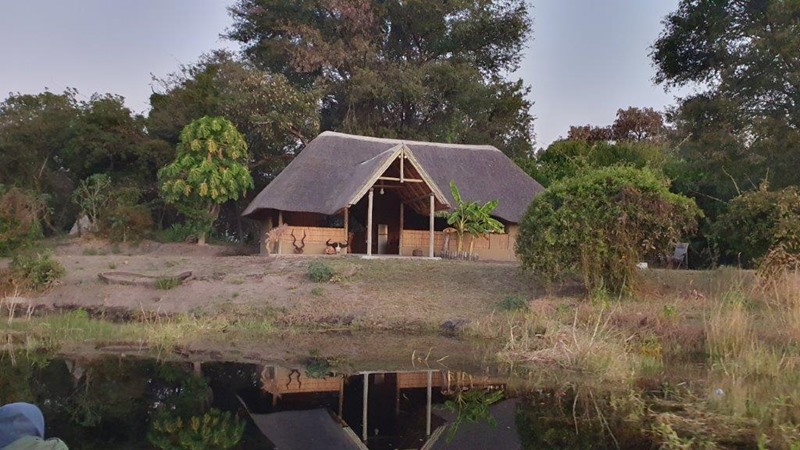
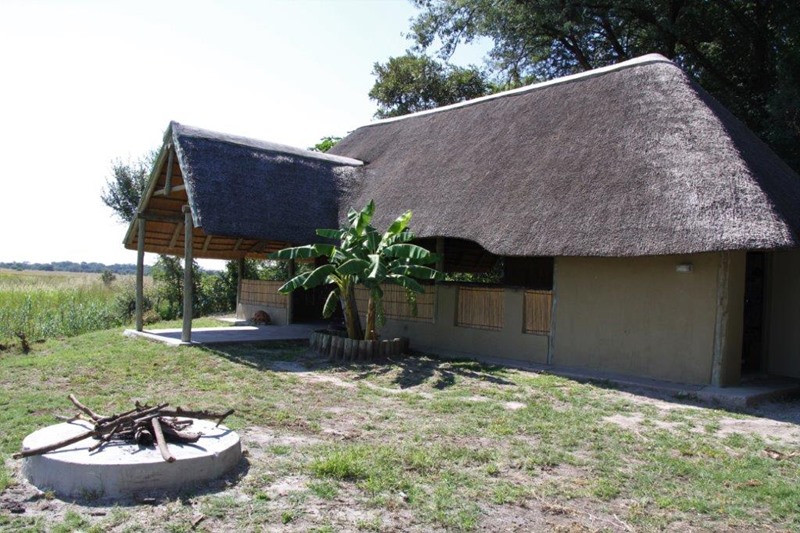
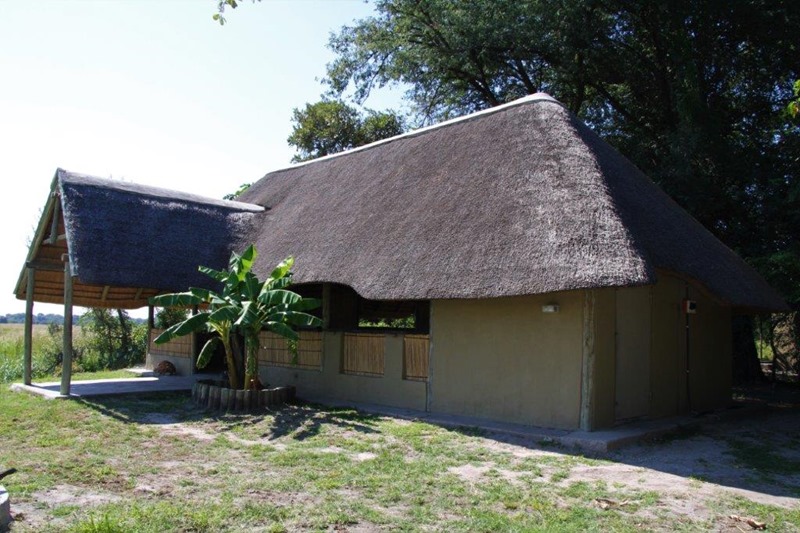
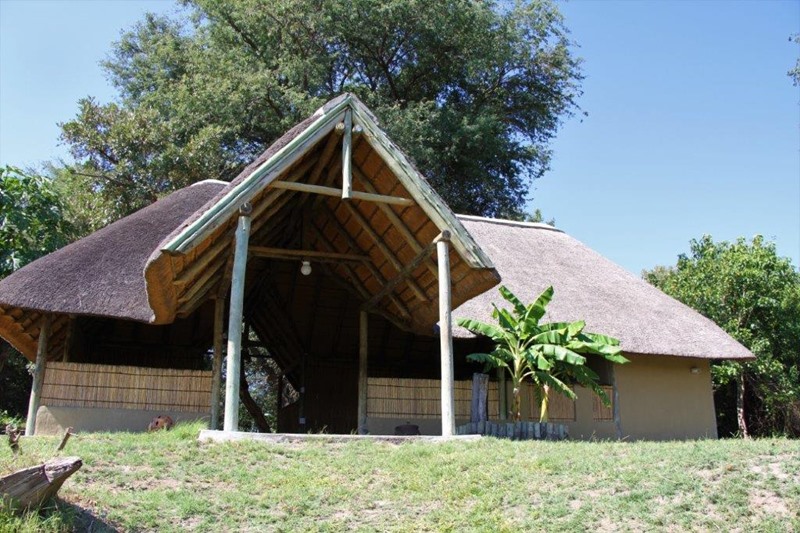
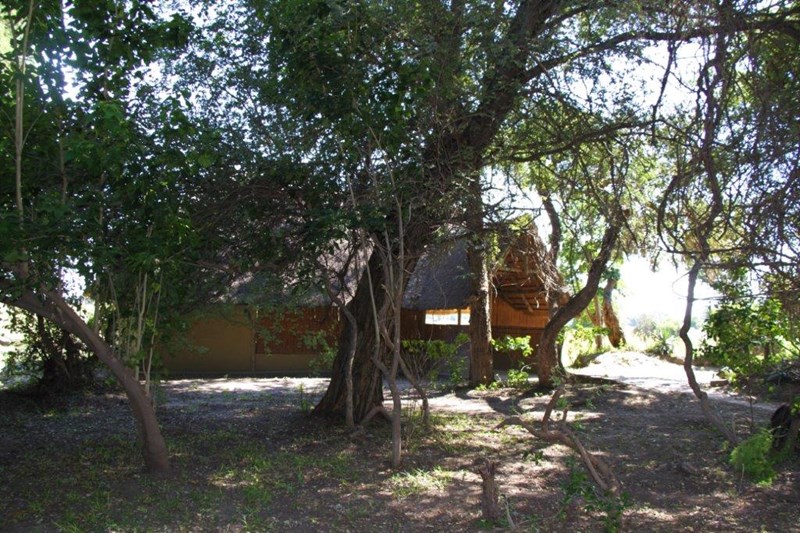
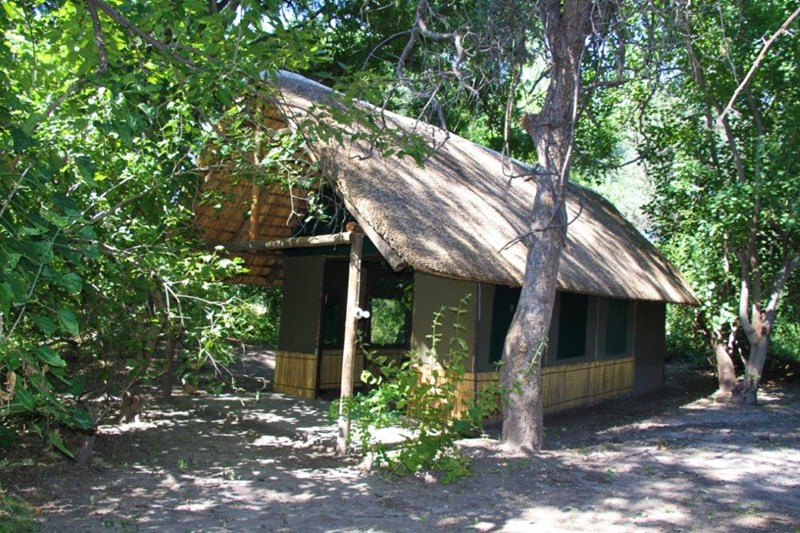
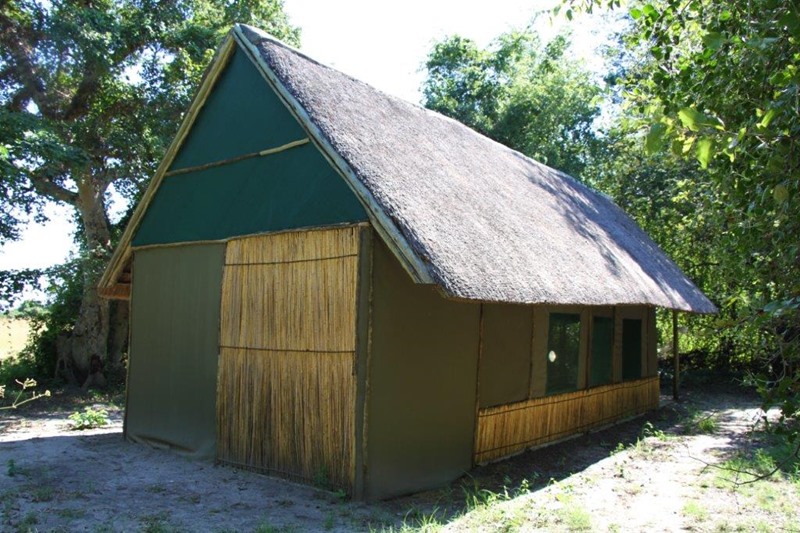
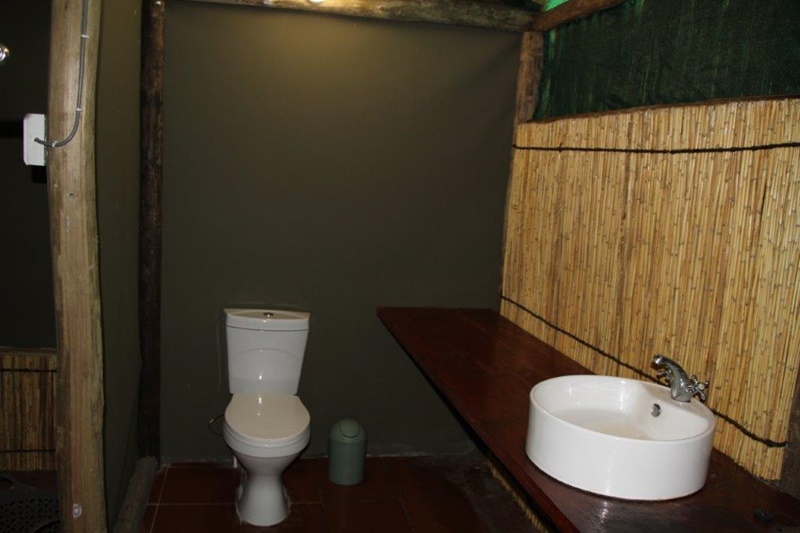
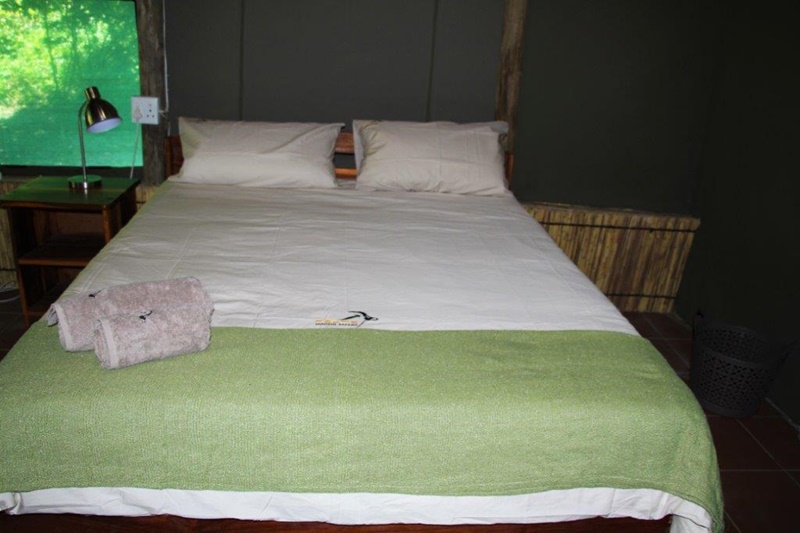
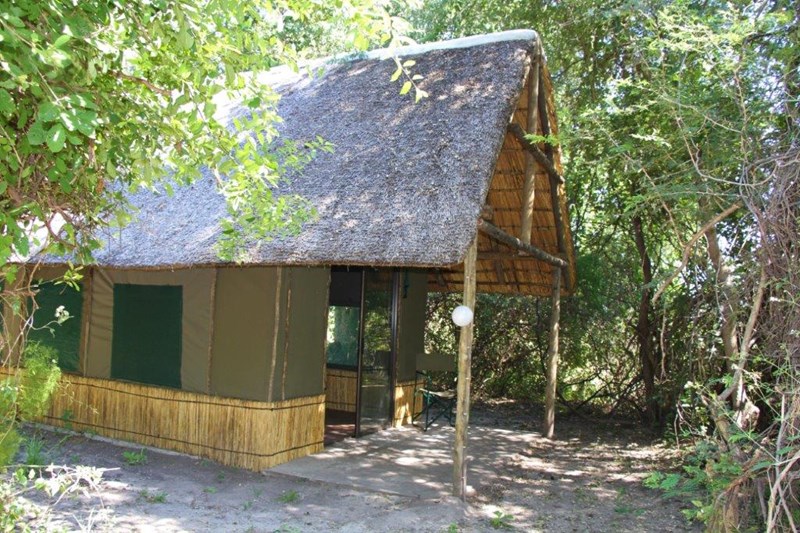
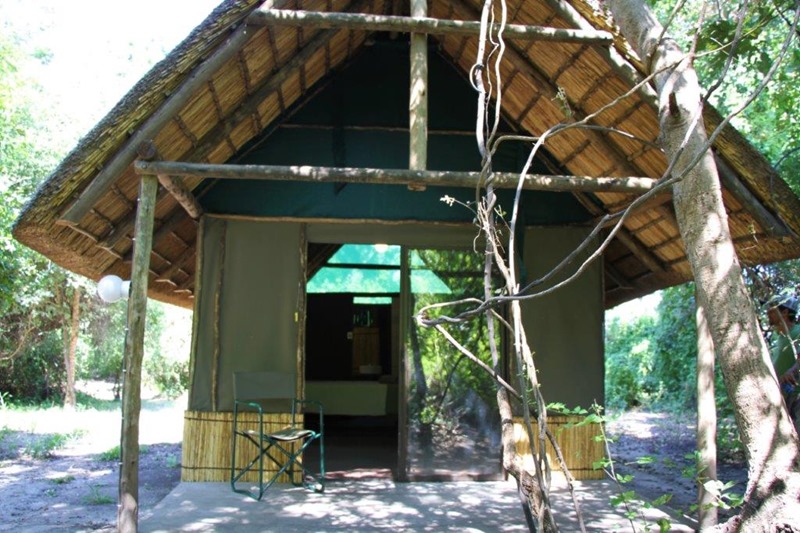
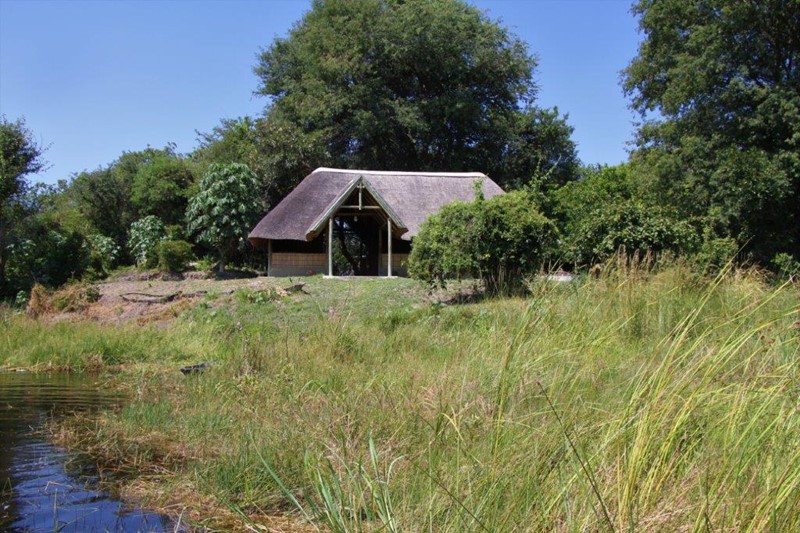
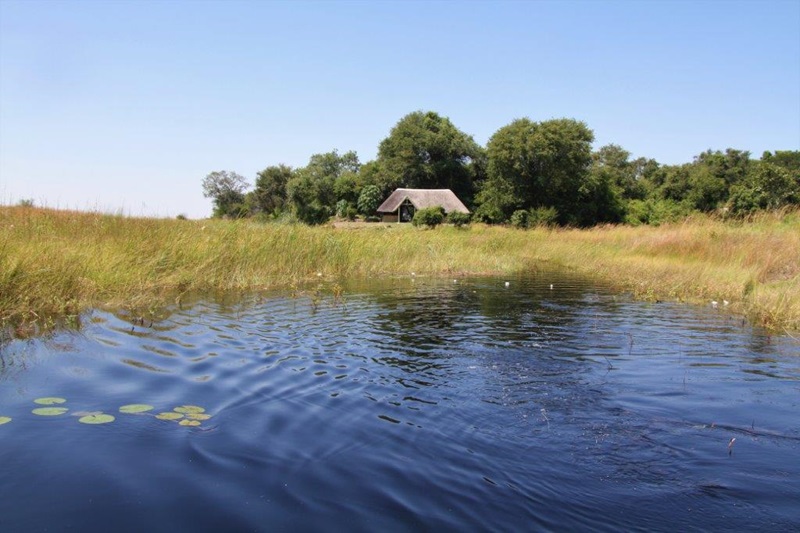
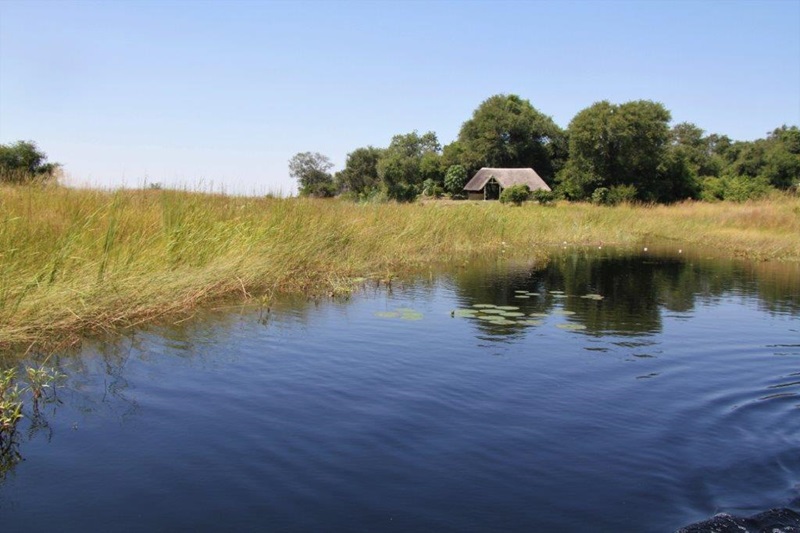
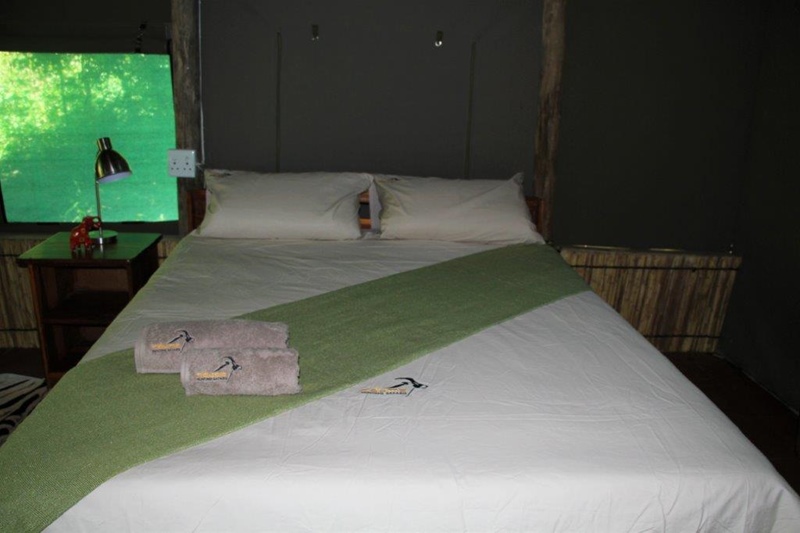
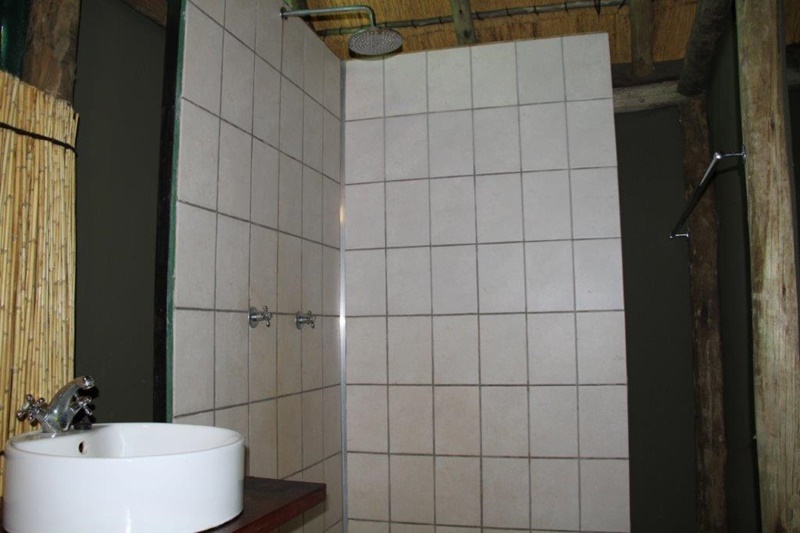
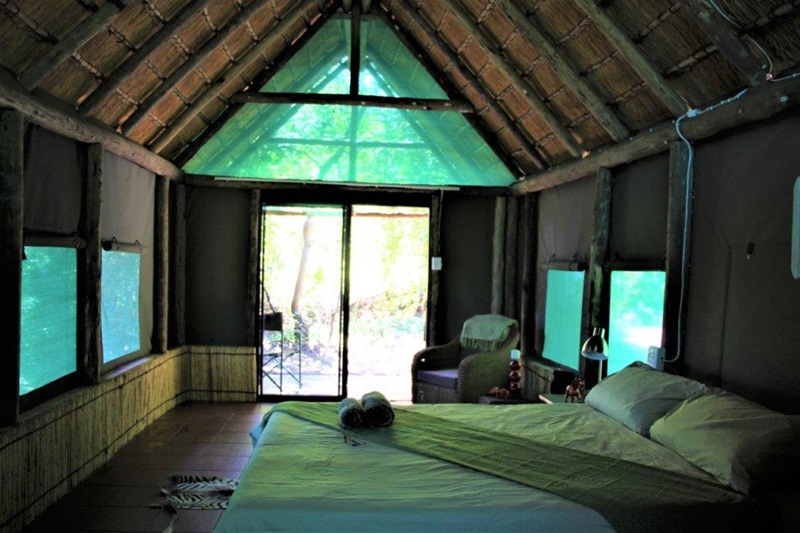
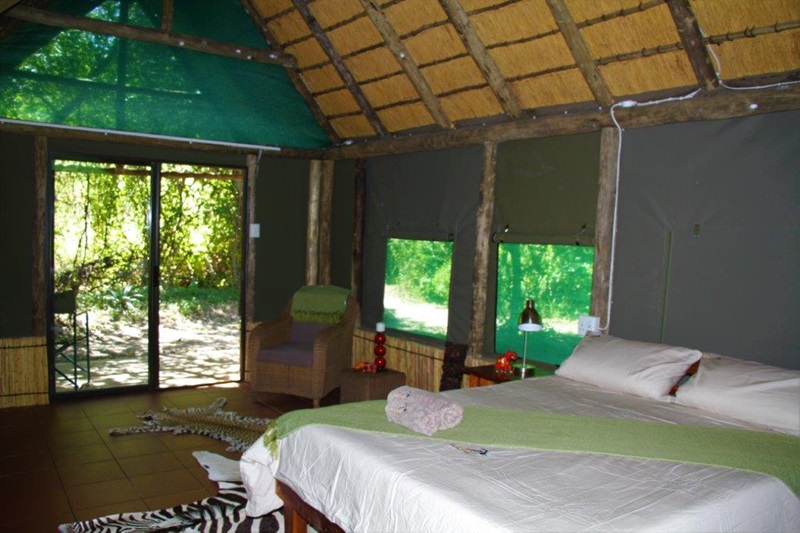
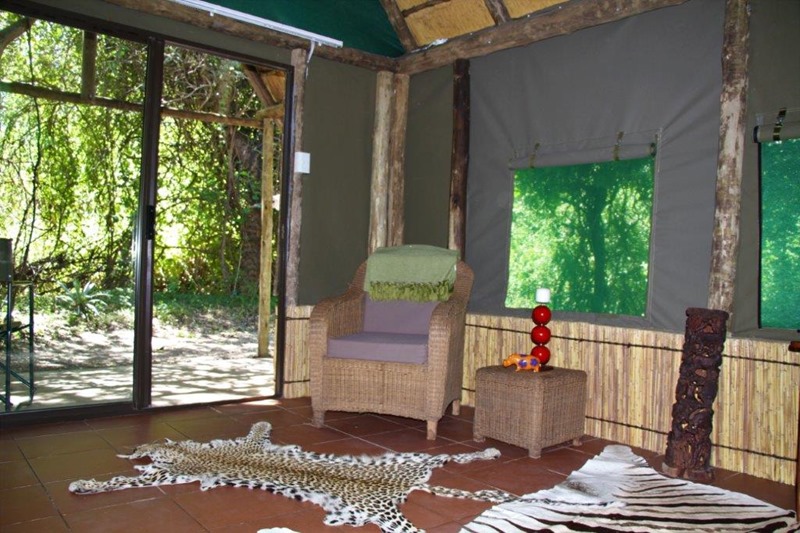
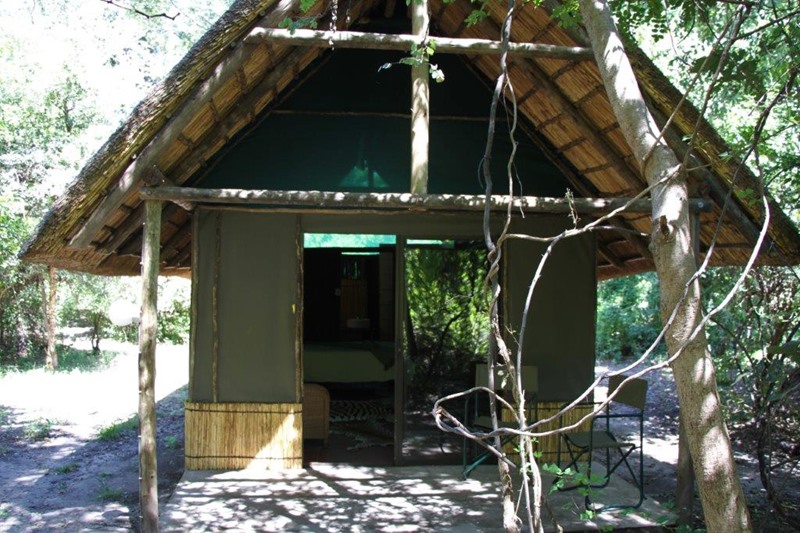
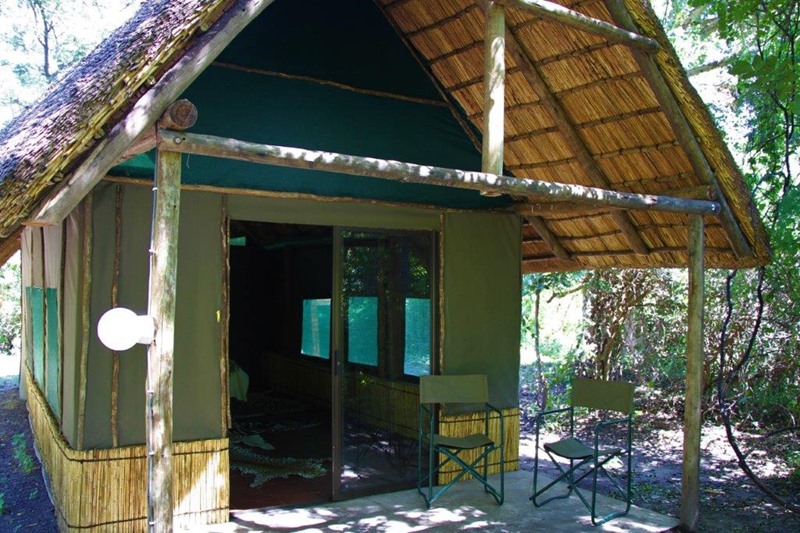
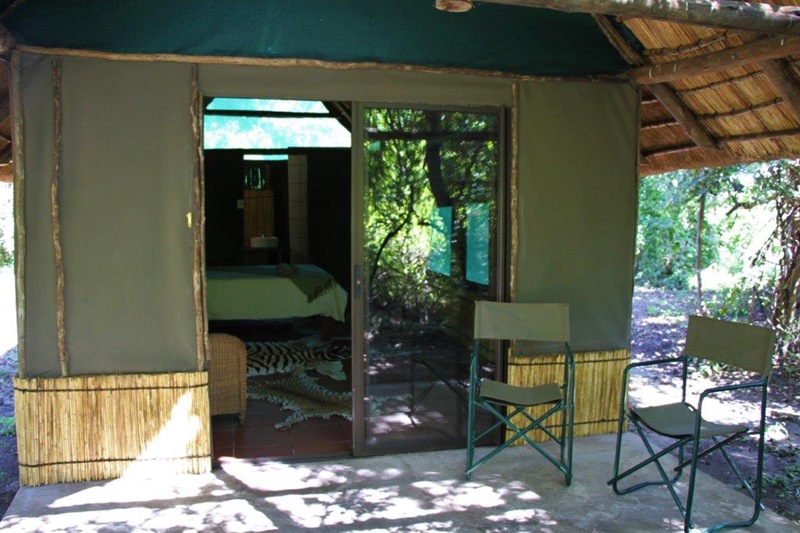
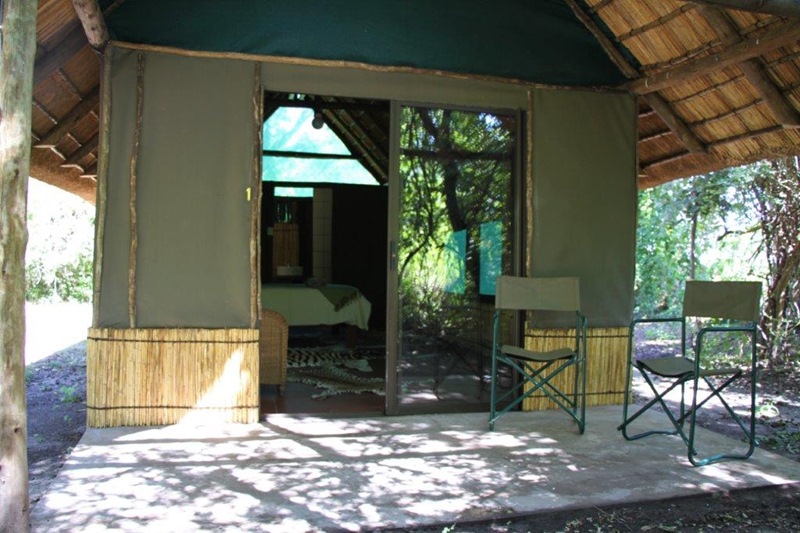
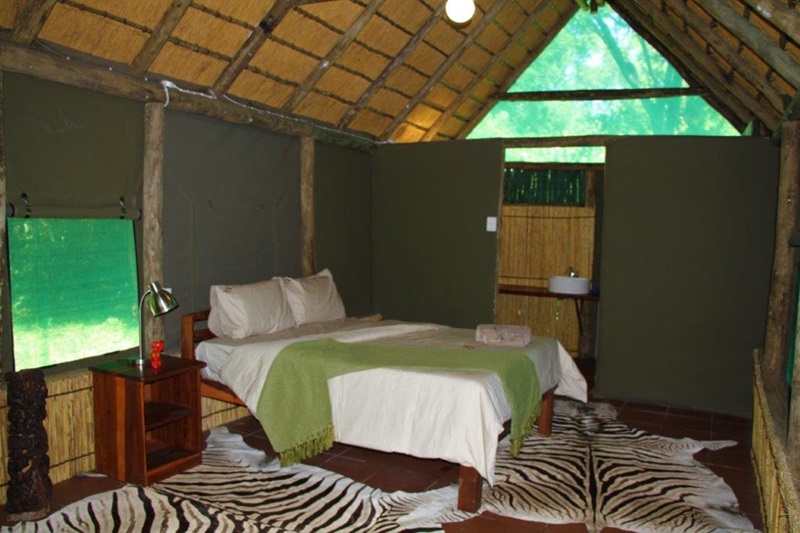
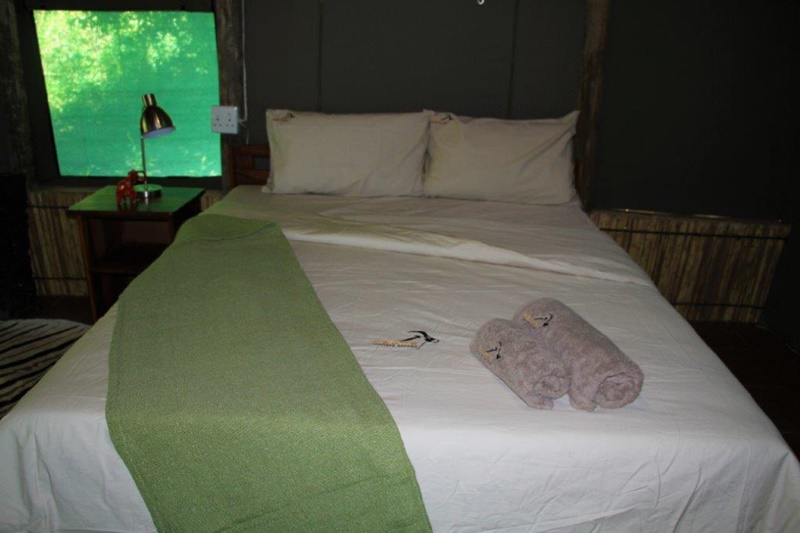
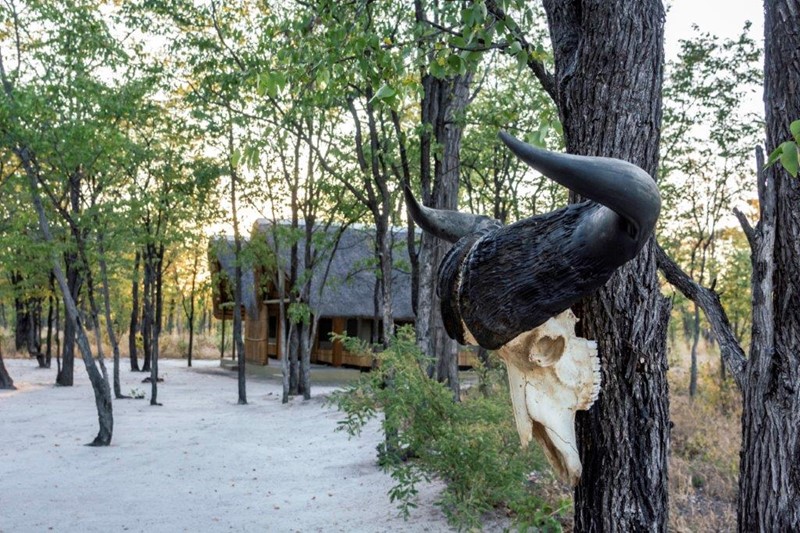
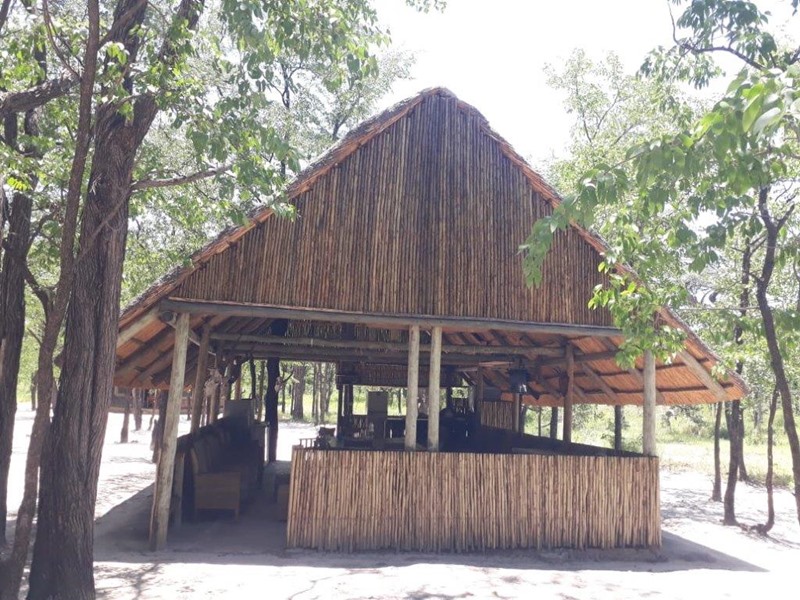
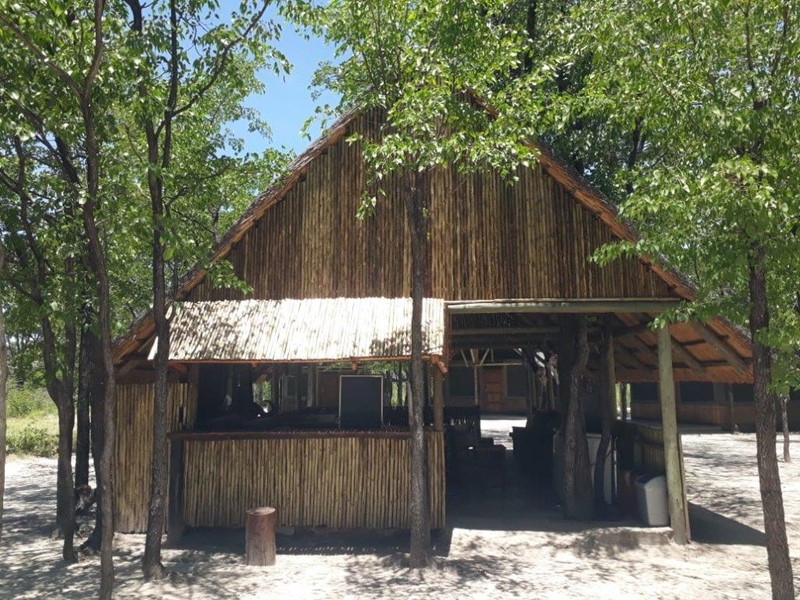
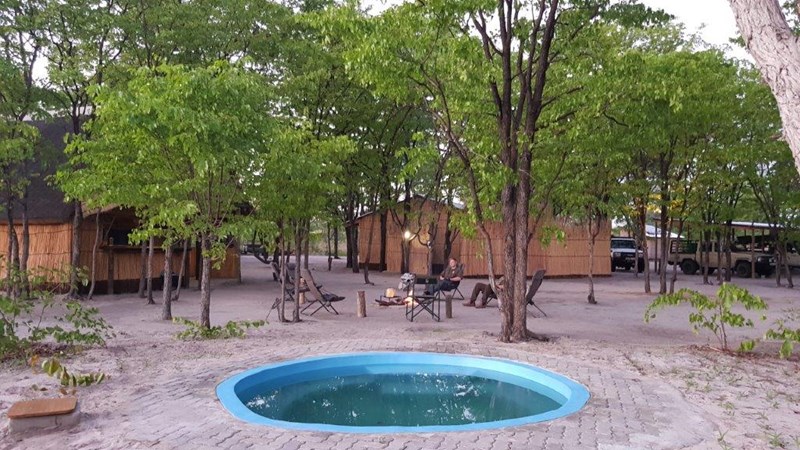
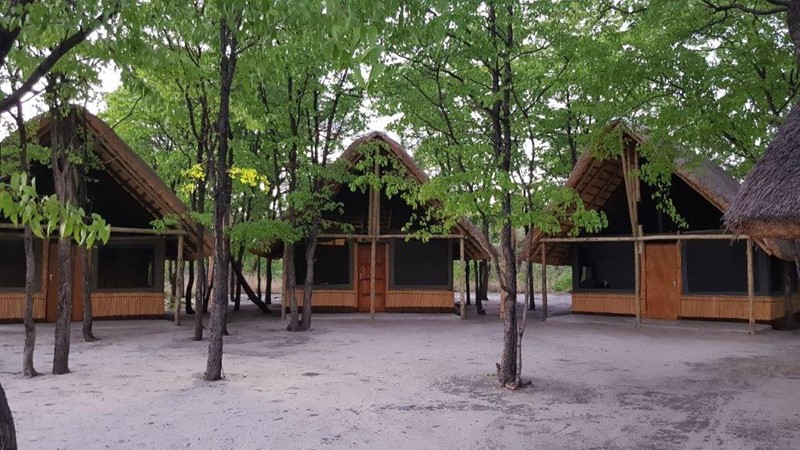
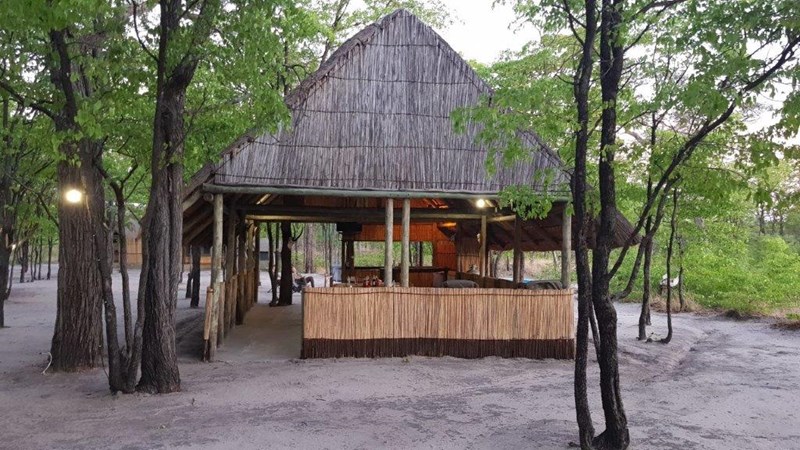
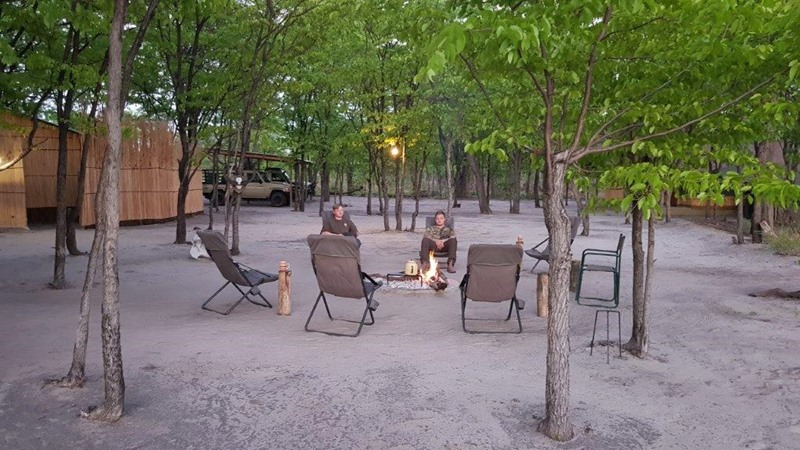
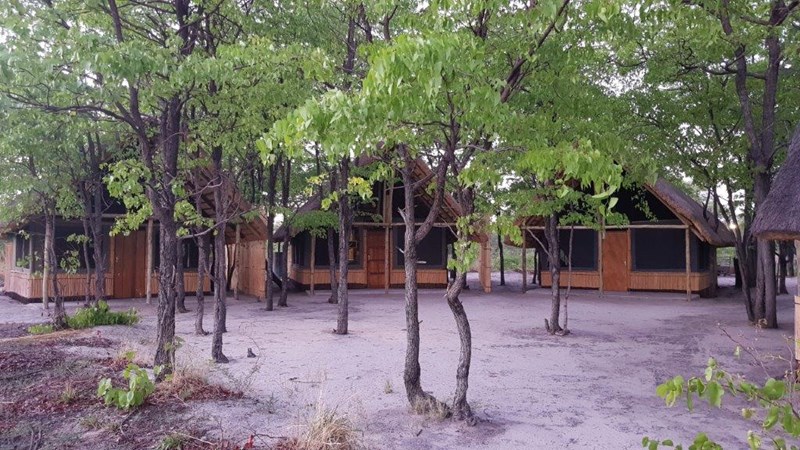
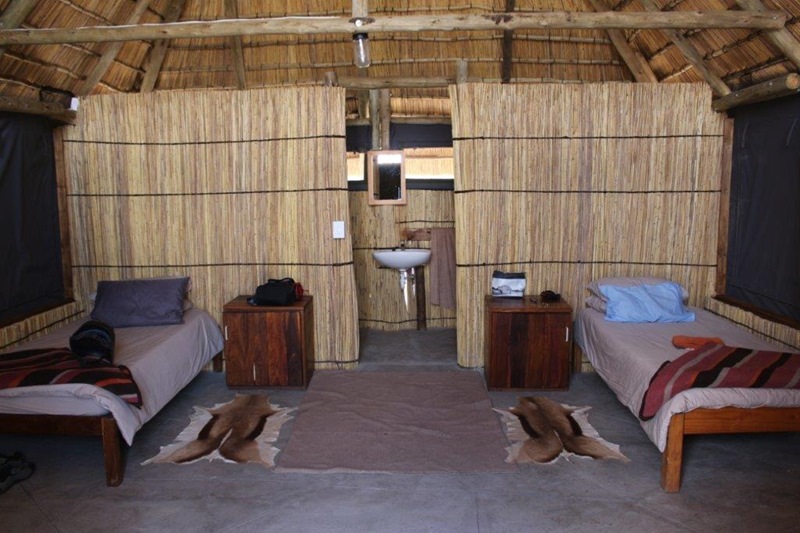
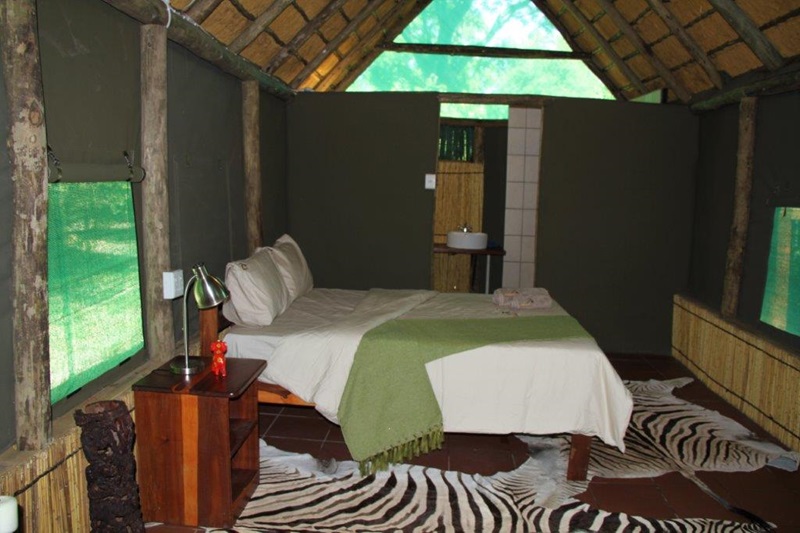
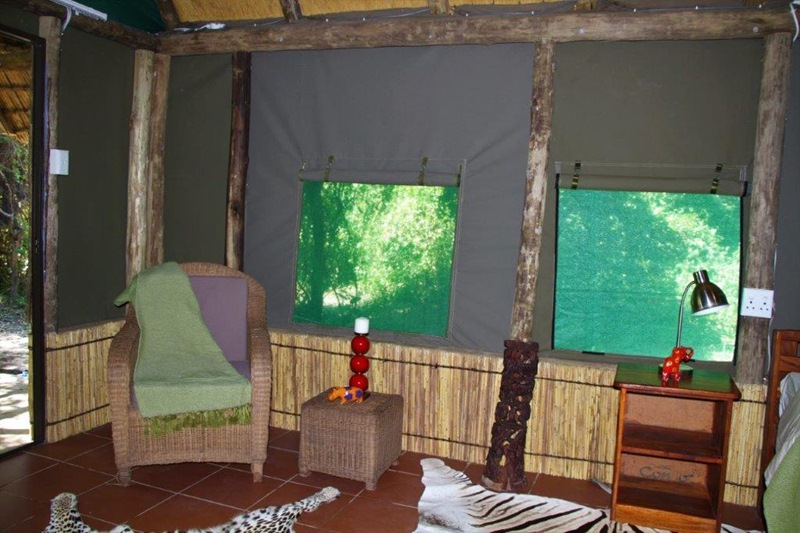
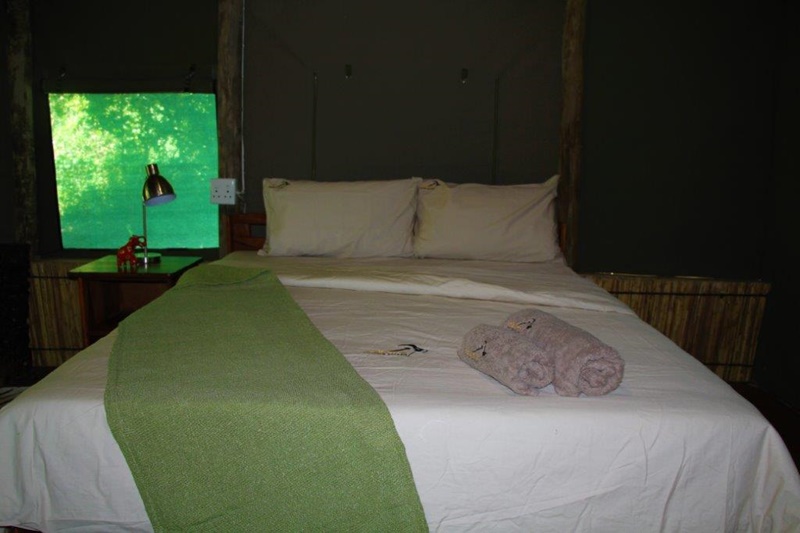
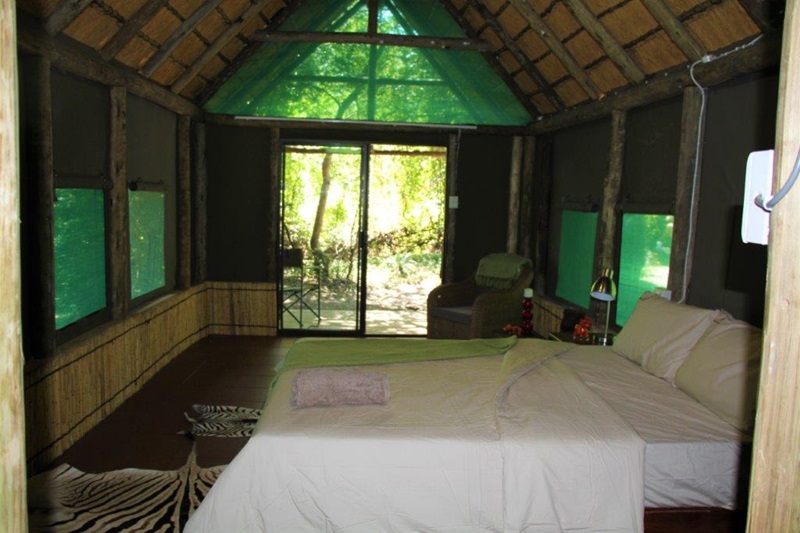
Accommodation is in a recently revamped camp, consisting of bungalows with canvas and reed walls and thatched roofs. We can provide accommodation for up to 6 guests at a time, of which a maximum of 4 can be hunters. We prefer not to have more than 4 hunters at any given time in camp, and then only if they booked together, to try and ensure that each hunting group maintains exclusivity.

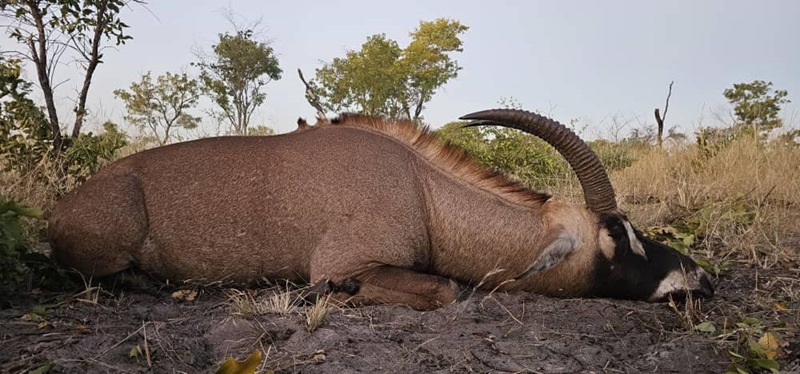
As it is a communal conservancy, there are villages in the Northern part of the concession, but none in the core hunting area. Best time to hunt elephant in this area is February to early July and the last 2 weeks of November, and best time for buffalo is February to May and end November again, with plains game best hunted May to November. This area has an extremely healthy population of Roan antelope and may be the best Roan hunting area we have available at the moment.
Balyerwa Conservancy

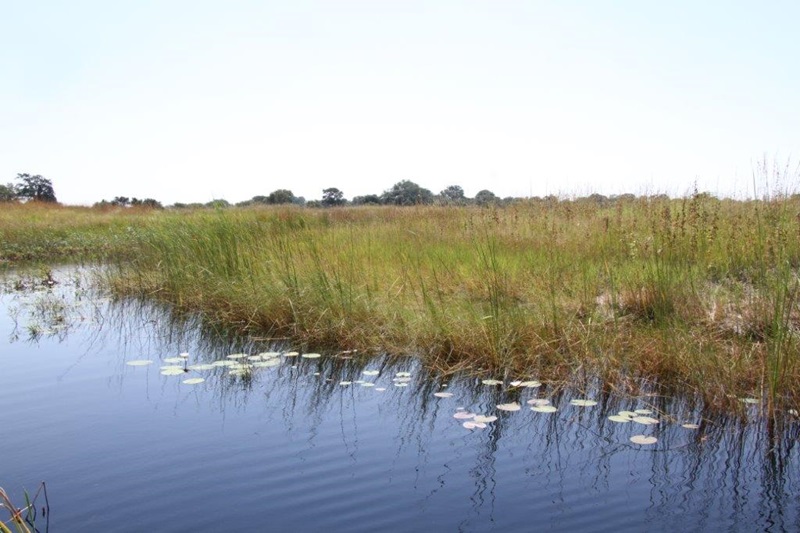
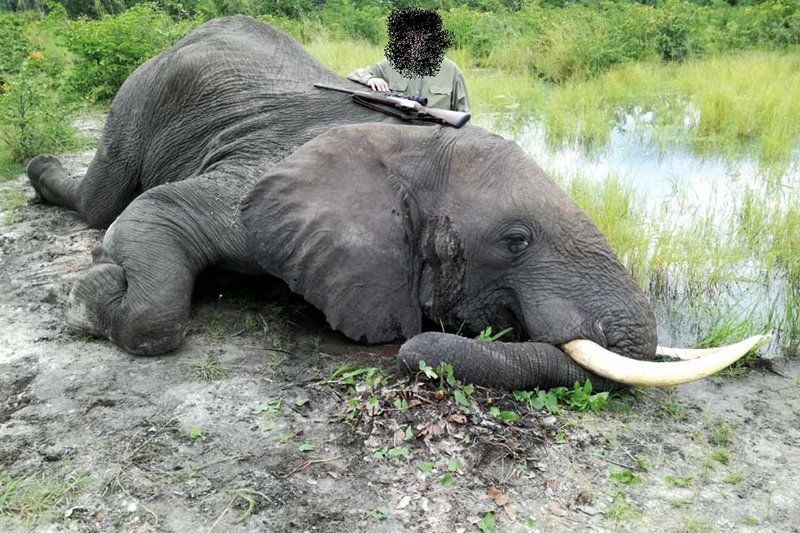
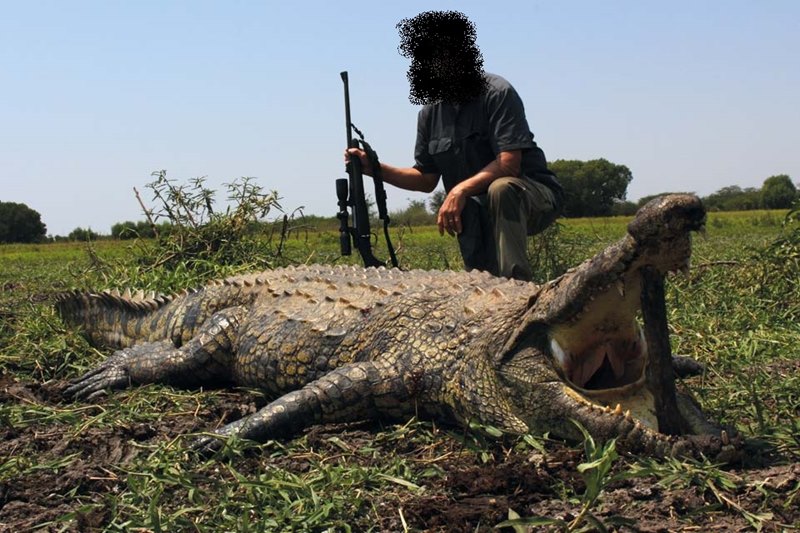
This hunting area may be the best all-round buffalo and elephant conservancy in Namibia, being bordered by Mudumu National Park, Nkasa Rupara National Park and Botswana. As it borders the Linyanti swamps, a fair amount of fitness is required to hunt around half of the area. It holds good numbers of buffalo, elephant, cats, aquatic game and plains game. This area is best to hunt from late May to mid-November.

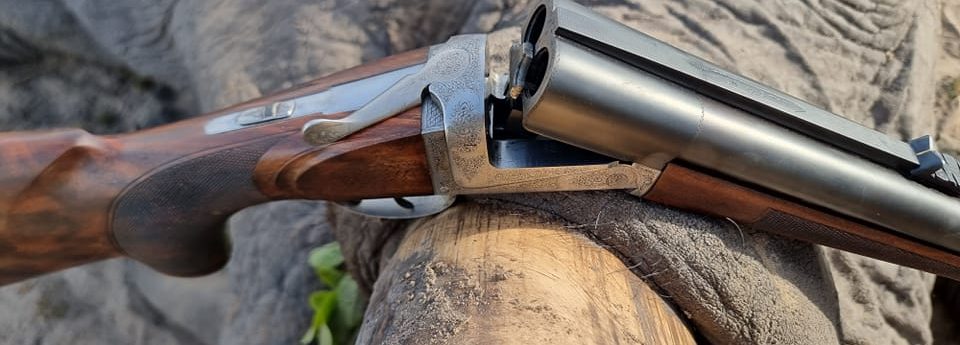
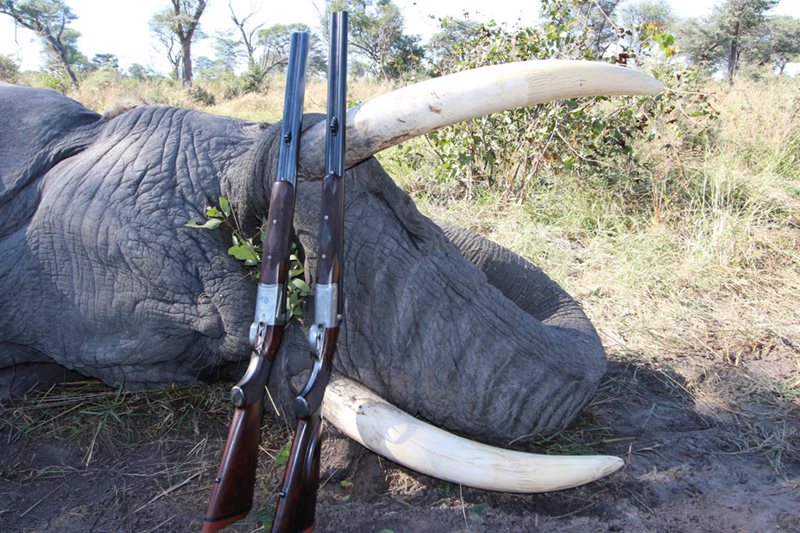
Double

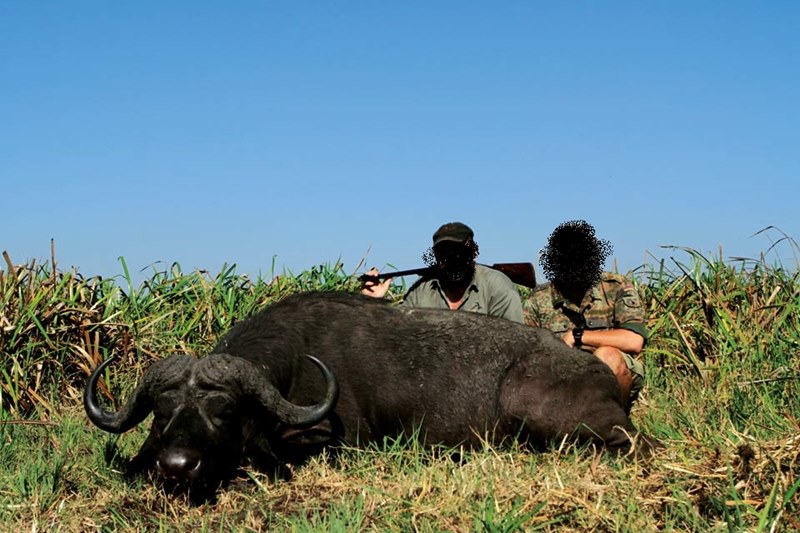
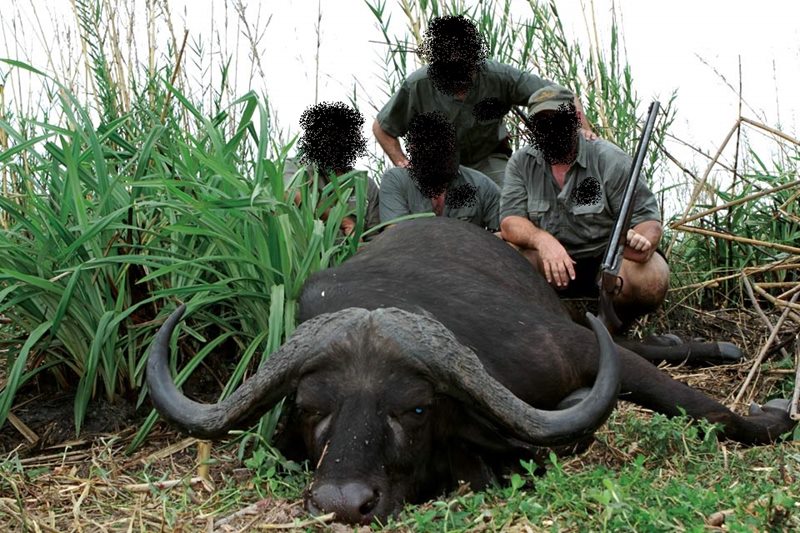
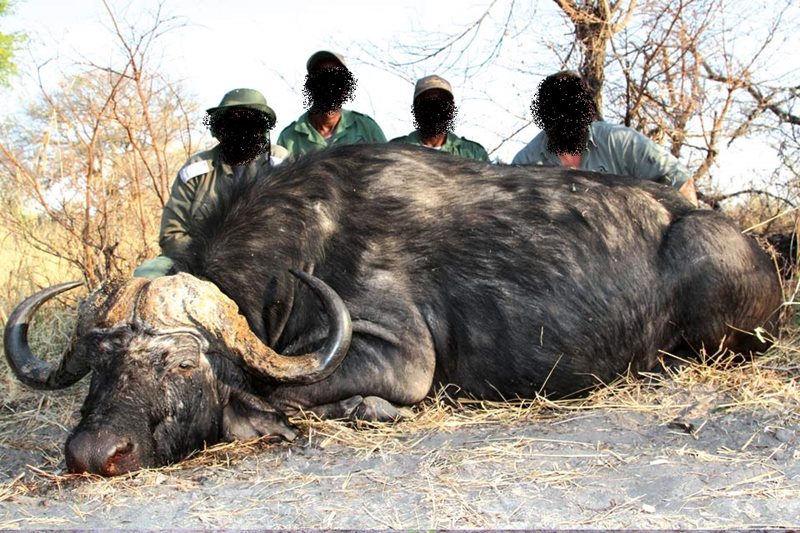
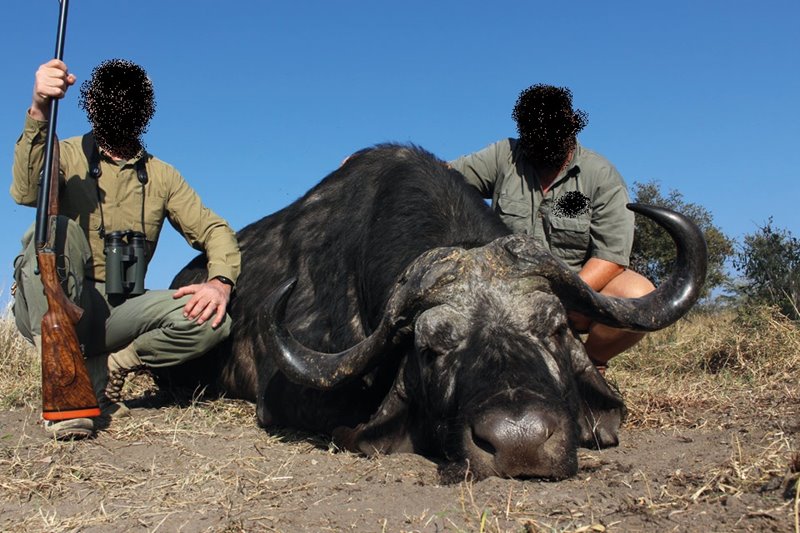
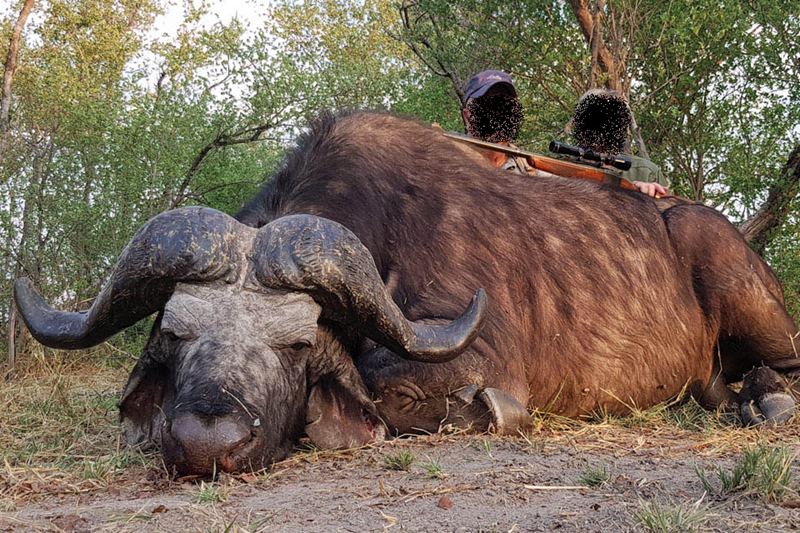
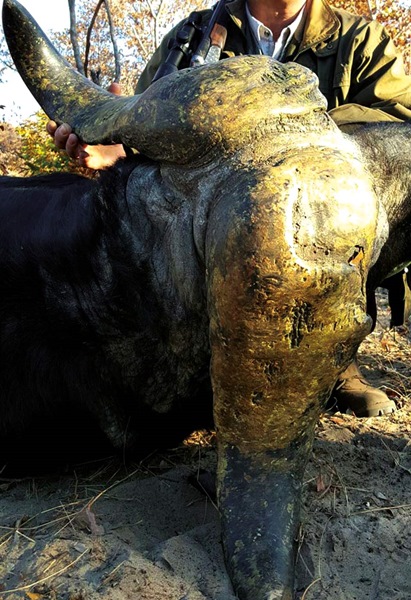
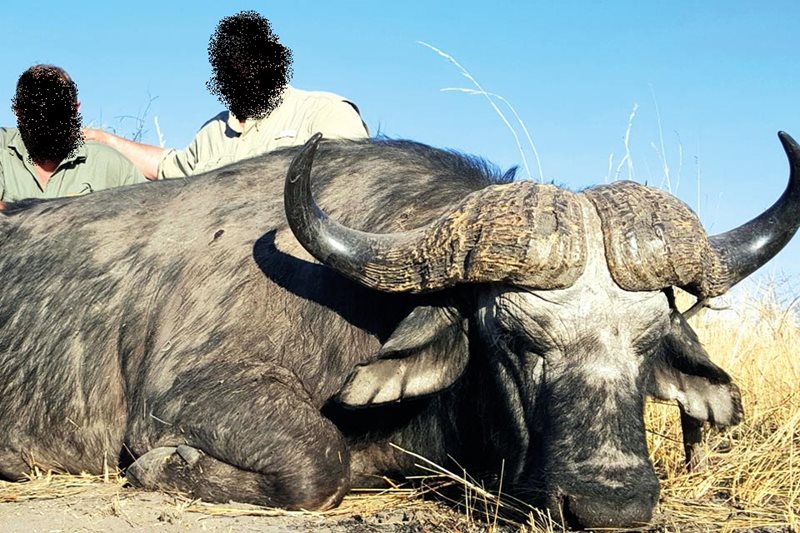
When discussing buffalo hunts in the Caprivi, the mental image most hunters have is of seemingly endless floodplains of the Eastern Caprivi. In fact, most buffalo hunted in Namibia are hunted on the floodplains of the Chobe River. Such hunts can be testing in the wetter months, (similar to some Mozambique hunts), where the high water and the difficulty to move around in these wet, swampy areas are the main challenge. As it dries up, moving around becomes easier, and the herds of buffalo can often be spotted a long way off, making stalking and approaching more difficult if you really want to get close to your quarry.

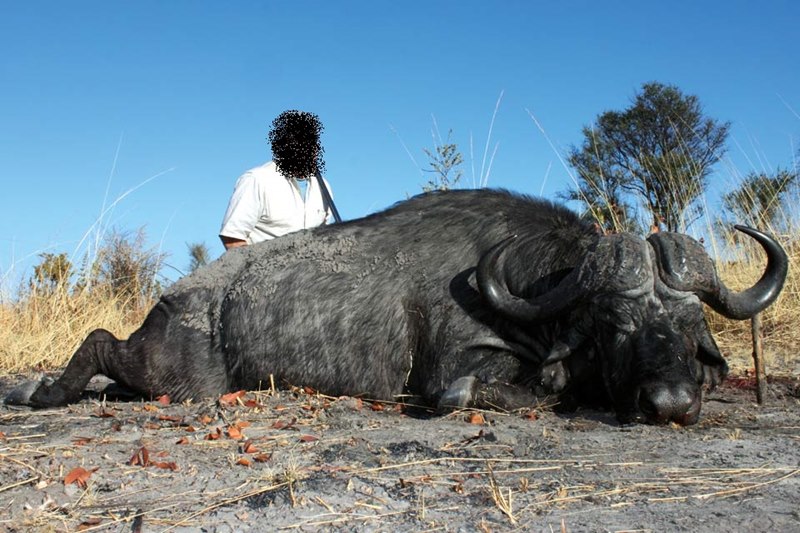
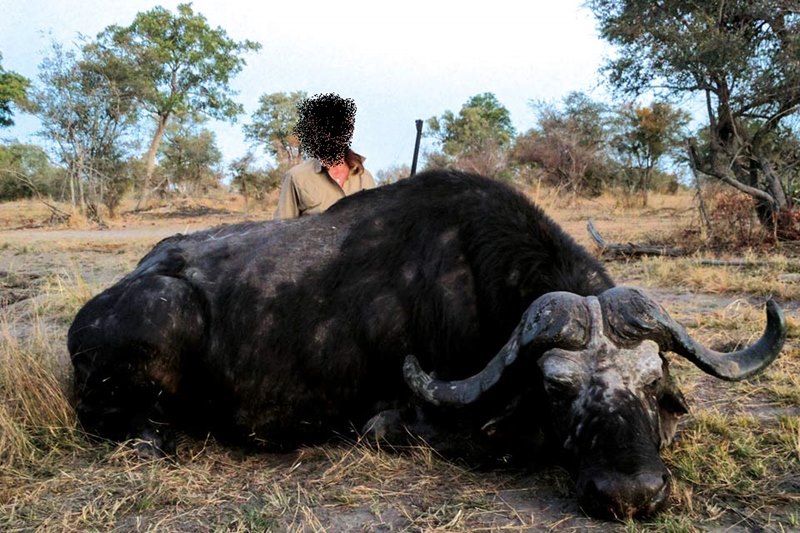
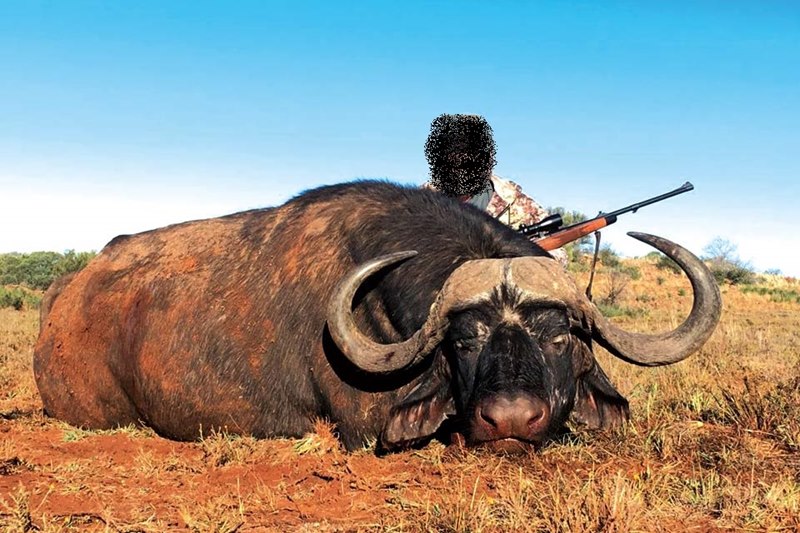
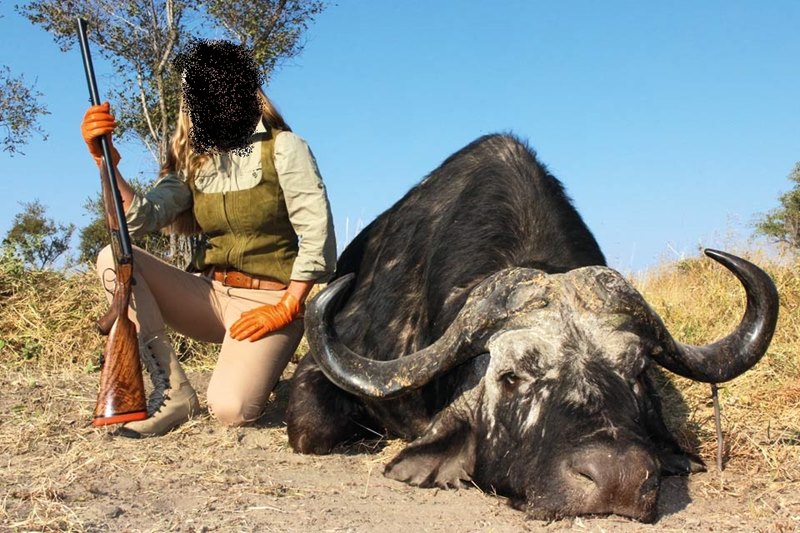
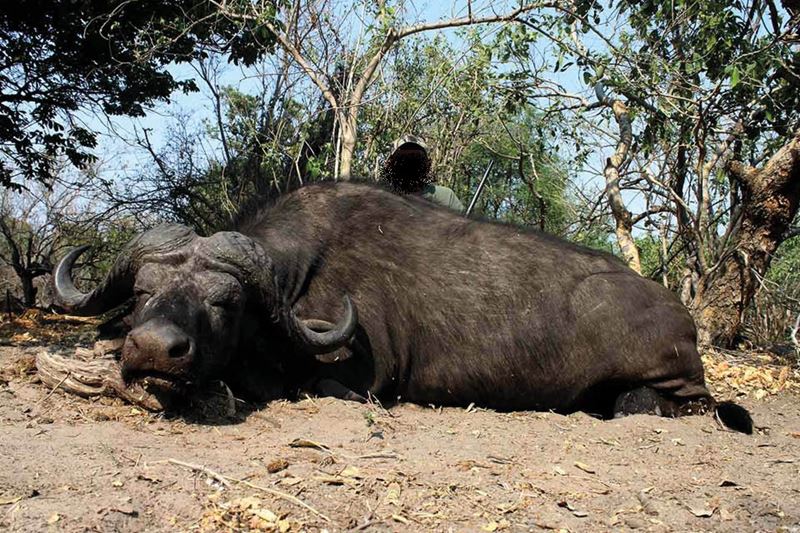
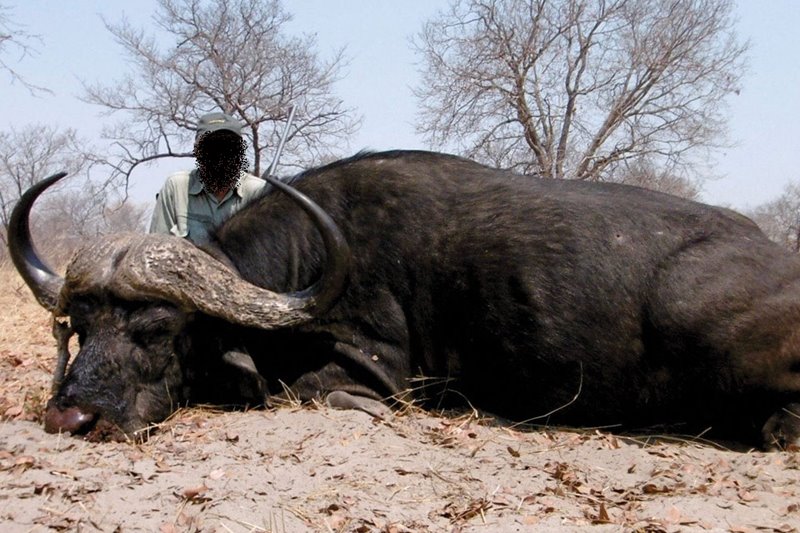
While a novel way of hunting buffalo, and something everyone should try at least once, we fortunately also have areas where you can do what is considered a classic tracking hunt for buffalo, on so called ‘dry’ concessions. On these hunts, the timeless classic way of looking for tracks and following your quarry into the thick bush, is used. This is my favourite way to hunt buffalo, and the way we hunt most of our buffalo on our Caprivi areas. This also makes it easier to target bachelor herds of dagga boys, my preferred target. Our park area (Bwabwata East) holds exceptionally good numbers of exceptionally old bulls, and on any typical hunting day, a hunter could pass up multiple mature bulls until one is found that fits his/her requirements exactly. On the communal conservancies we tend to shoot the first fully mature bull we find since the density of buffalo is much lower. This is the main reason there is a difference in price.
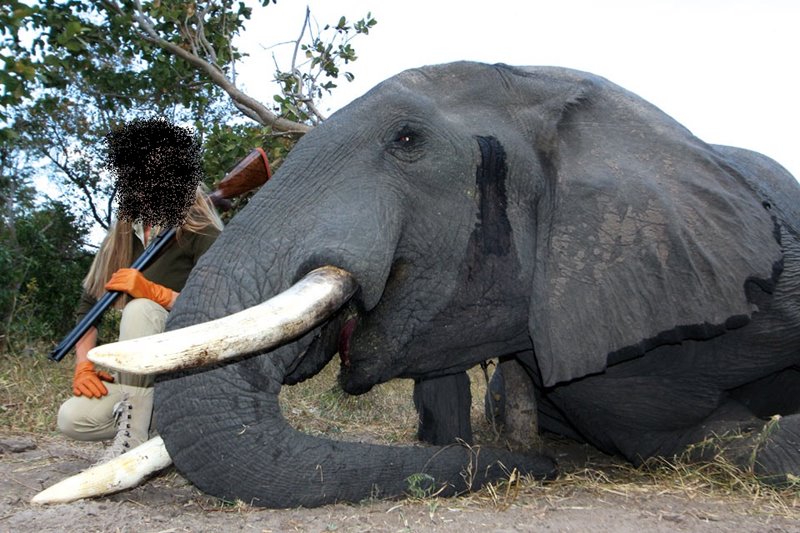
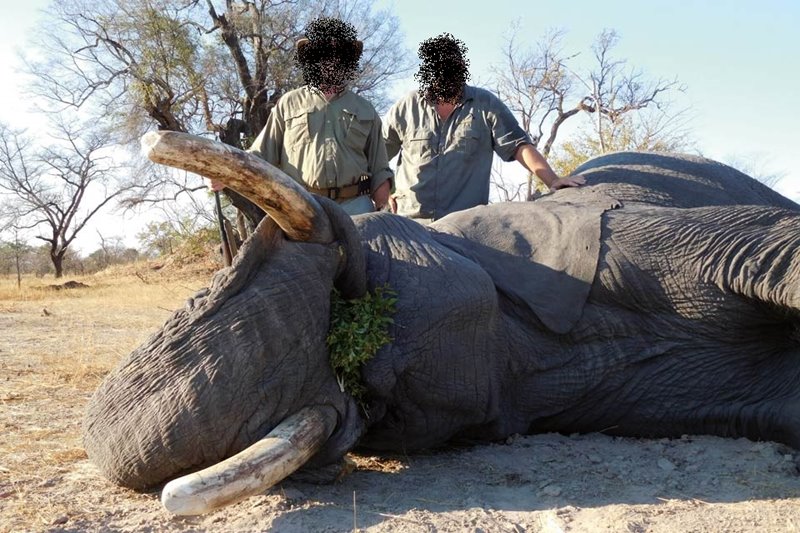
We are in the unique position to offer mostly tracking hunts on buffalo and elephant, as most of our hunting areas consists of savanna bushveld, and not just open flood plains like a lot of Caprivi areas. We will typically leave early mornings, drive the bush roads to look for tracks, and follow fresh tracks to determine trophy quality up close. This typically gives a hunter the full experience of stalking a couple of different animals, and getting in amongst them, before one is selected to be hunted. A reasonable degree of walking fitness will thus enhance your hunt, but we do make provision for your personal level of fitness or mobility. That being said, please remember that an elephant hunt specifically can be very physically demanding, as well as mentally taxing, so come as well prepared as possible. We do offer “easier” options for elephant hunts, but this may limit the area or dates available.

Species available

  • Buffalo
  • Crocodile
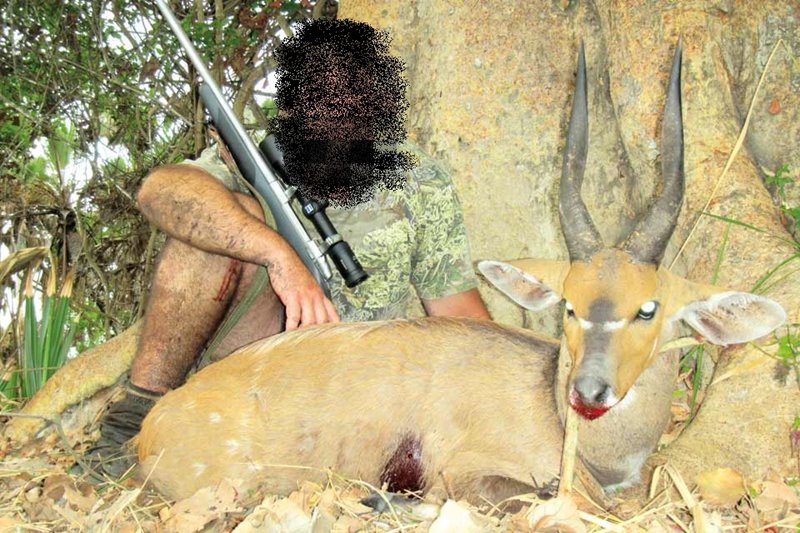
  • Duiker
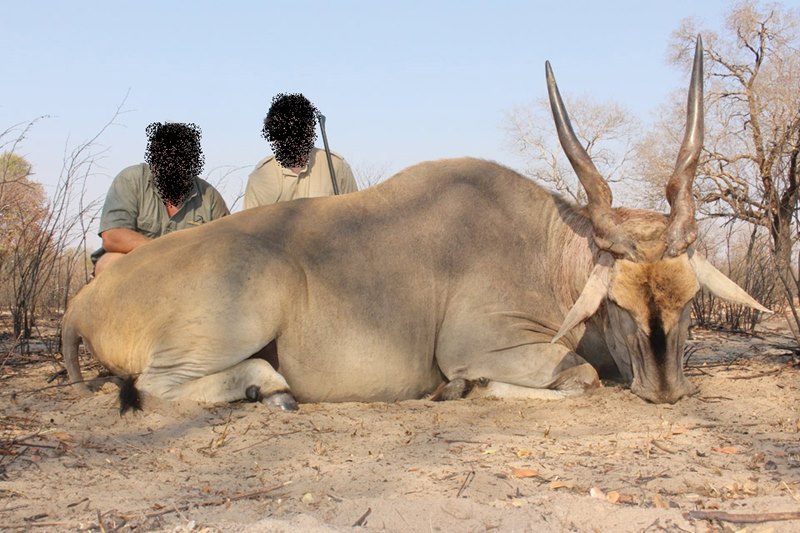
  • Eland
  • Elephant
  • Hippo
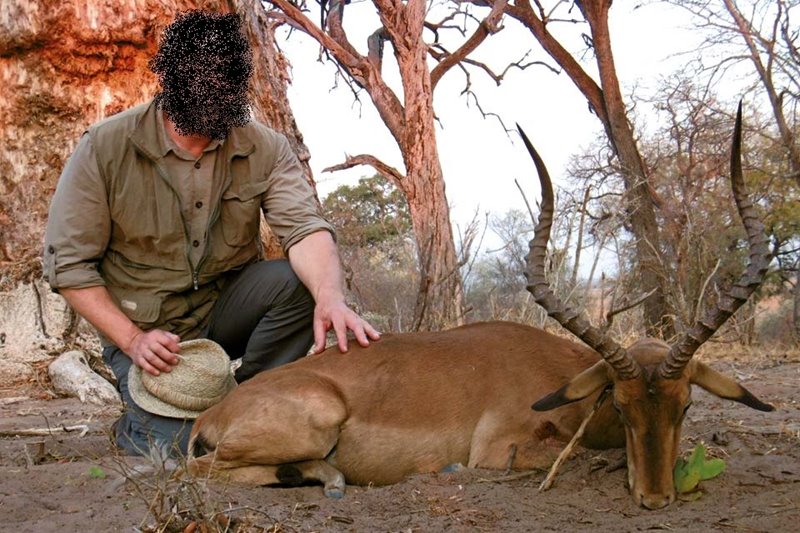
  • Impala
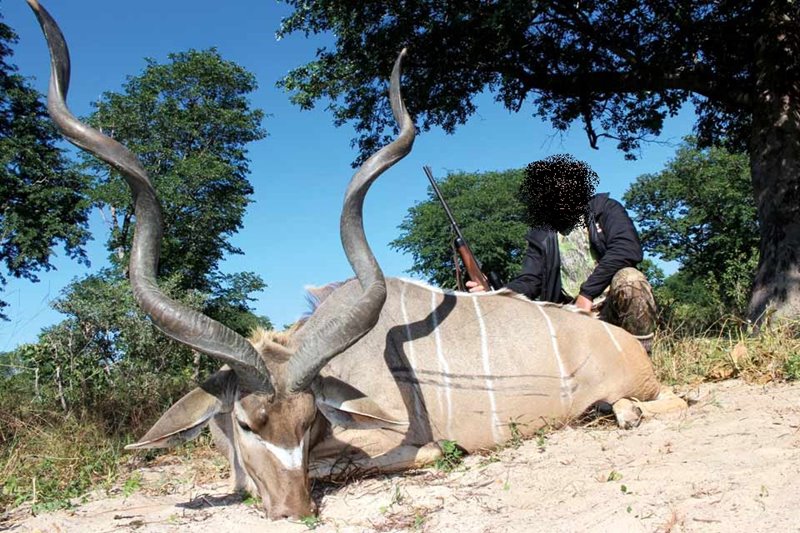
  • Kudu
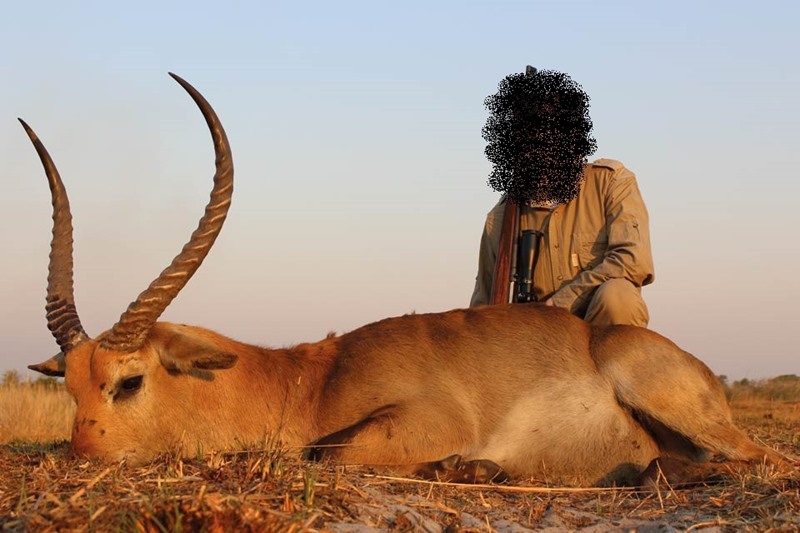
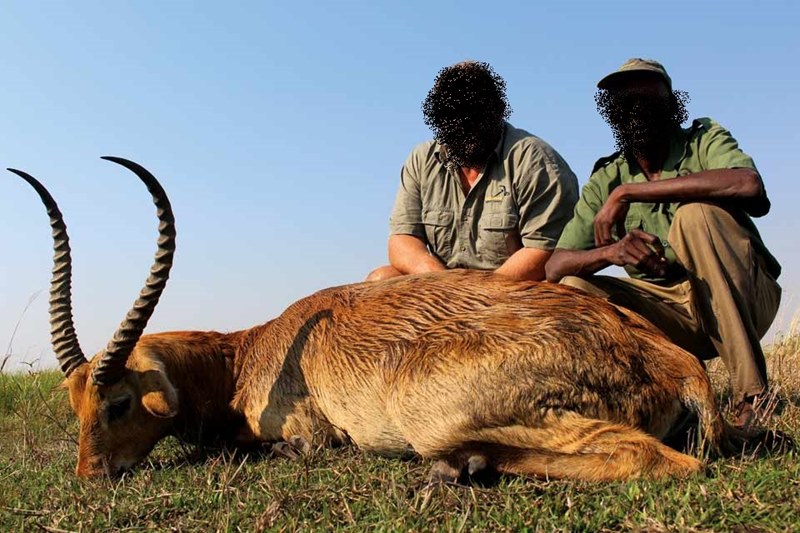
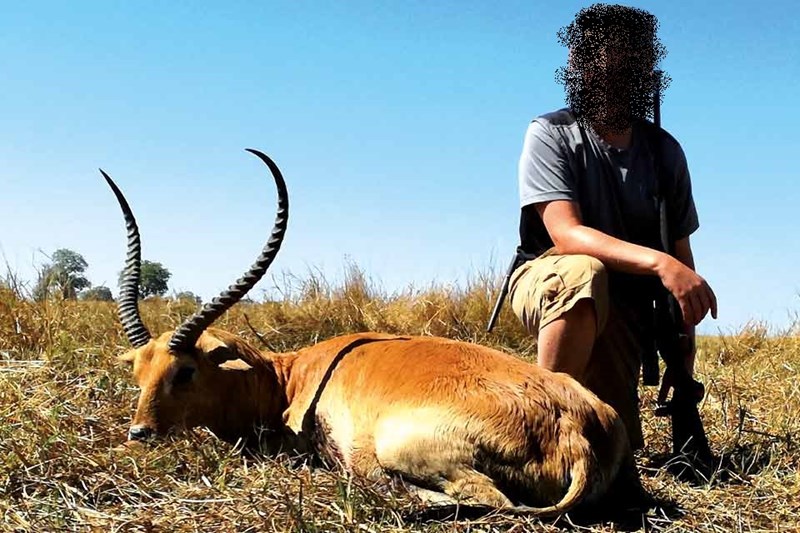
  • Lechwe
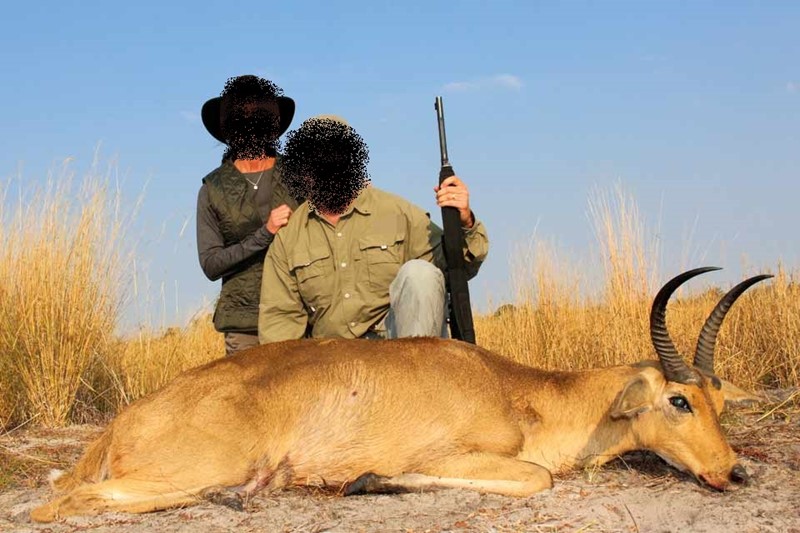
  • Reedbuck
  • Roan
  • Sable
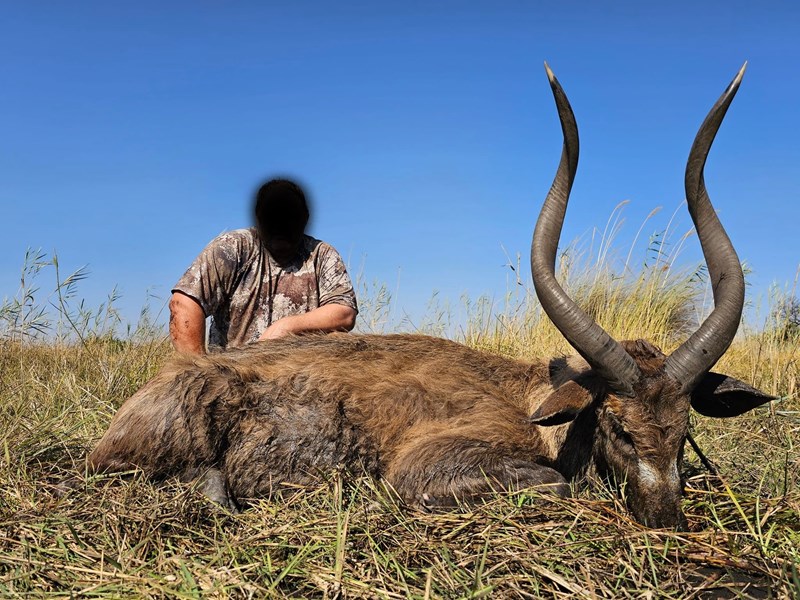
  • Sitatunga
  • Steenbok
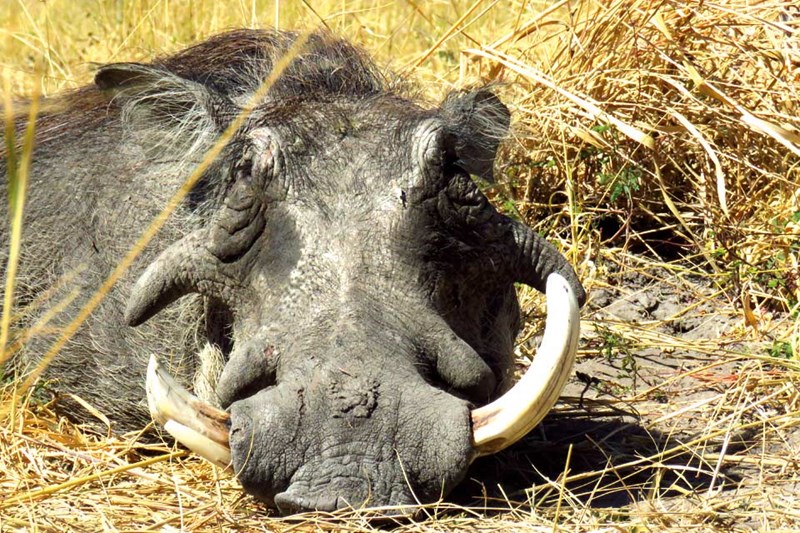
  • Warthog
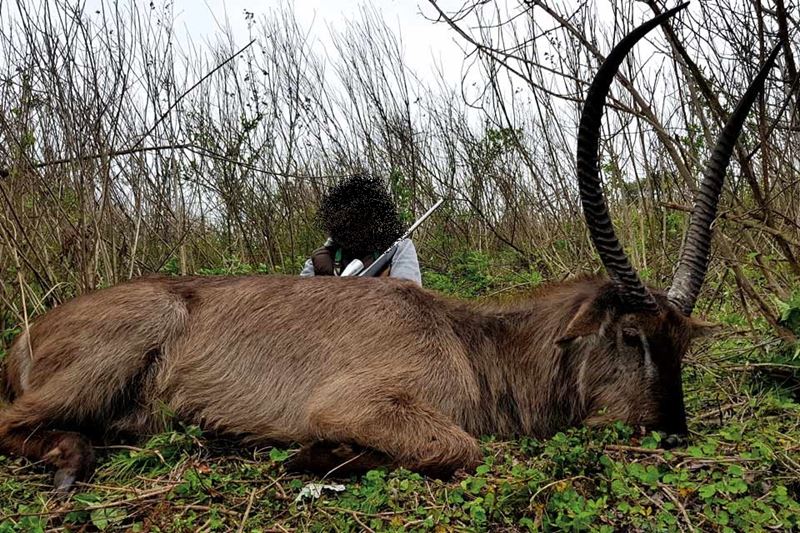
  • Waterbuck
  • Wildebeest (blue)
  • Zebra